

Self-care may feel like a modern buzzword, but its roots are ancient and deeply interwoven with human culture. Across civilizations, the act of looking after oneself, whether through grooming, bathing, or intentional rest, has been tied to identity, spirituality, and survival. Take Oshun, for example: a revered figure in Yoruba tradition associated with beauty, love, and renewal. From sacred river ceremonies in her honor to the skin-nourishing rituals of today, she embodies the timeless link between beauty and self-respect. Our tools may have evolved, from milk baths to serums, from herbal poultices to spa treatments, but the instinct to care for ourselves has never gone away.
Ancient Roots: Rituals That Defined Civilizations
In ancient Egypt, self-care was elevated to an art form. Cleopatra’s famed beauty baths in milk, honey, and fragrant oils weren’t just vanity, they were symbols of status, purity, and divine connection. The Egyptians also pioneered cosmetics, not purely for adornment, but for protection against the sun and infections. Eye paints containing malachite and galena served both aesthetic and antibacterial purposes.
In the Indus Valley, archaeological finds reveal early examples of body oils, exfoliating stones, and bathing facilities, clear evidence that hygiene and self-presentation were embedded into daily life. Similarly, in China, herbal infusions and jade rollers were used not only for beauty but to promote qi flow and holistic health.
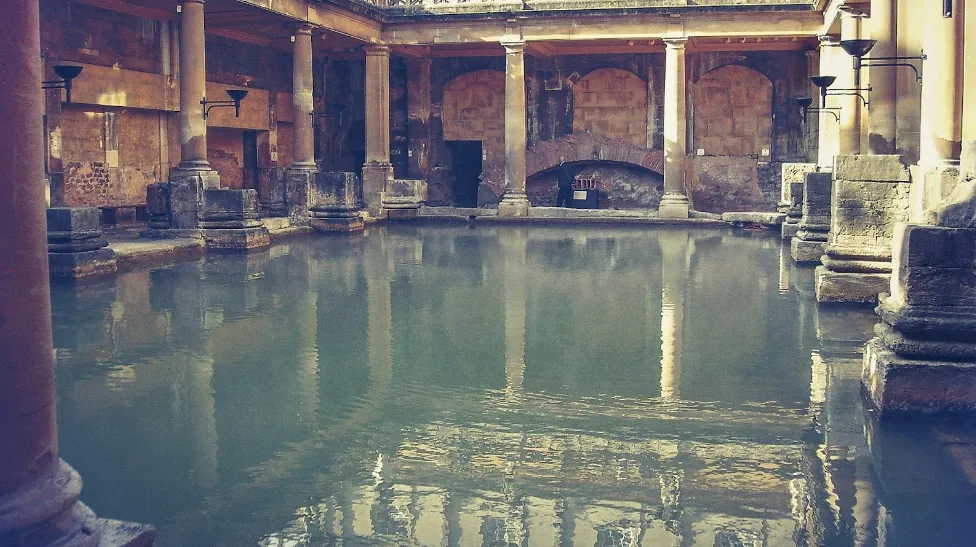
The Greco-Roman world expanded on these ideas, with public bathhouses that doubled as social hubs. Here, self-care merged with civic life, bathing, exfoliation, massages, and scented oils were a communal way to maintain health and forge relationships.
Spiritual Dimensions: When Self-Care Was Sacred
For many cultures, self-care practices had spiritual undertones. In Yoruba traditions, the goddess Oshun was celebrated with offerings of honey, perfumes, and flowers, all tied to beauty, fertility, and joy. Caring for the body was seen as an act of honoring the divine within. Likewise, in Japan, purification rituals in Shinto shrines involved water ablutions to cleanse both the body and spirit before worship.
Ayurveda, India’s 5,000-year-old system of wellness, integrated self-care into daily routines, from oil massages (abhyanga) to tongue scraping and herbal baths. These were not indulgences, they were considered vital for balance, longevity, and spiritual clarity.
The Middle Ages and Renaissance: Survival Meets Symbolism
During medieval times, bathing rituals were influenced heavily by religion and class. In the Islamic world, hammams thrived as centers for cleansing and community. In contrast, much of medieval Europe saw a decline in bathing frequency, partly due to the misconception that water spread disease. Instead, people turned to perfumes, herbs, and linens to maintain cleanliness.
By the Renaissance, self-care regained its vibrancy. Nobility embraced elaborate grooming rituals, from scented gloves to intricate hairstyles. Cosmetics became more sophisticated, although often laced with dangerous ingredients like lead and mercury, a reminder that beauty trends have always walked a fine line between health and hazard.
20th Century: Self-Care as Medicine and Empowerment
By the mid-1900s, self-care shifted from purely cultural tradition to medical discourse. Nurses and doctors began using the term “self-care” to describe actions patients could take to maintain their health, especially those with chronic illnesses or in recovery. This was the start of seeing self-care as a structured, health-driven responsibility. It also became a form of political empowerment. During the Civil Rights Movement and later feminist waves, activists advocated for personal well-being as an act of resistance.
Audre Lorde famously wrote, “Caring for myself is not self-indulgence, it is self-preservation, and that is an act of political warfare.” Hair care, skincare, and rest became ways to claim agency over one’s body and image in societies that often sought to undermine them.
The Modern Era: From Consumer Trend to Mindful Ritual

Today’s self-care industry is a multi-billion-dollar force. From skincare fridges to meditation apps, the market offers endless tools to “optimize” wellness. Yet, alongside the commercialization, there’s been a return to slower, more intentional practices.
Ancient techniques, like gua sha, dry brushing, and herbal steaming, are being revived, not just for their results, but for their mindful, grounding qualities. Modern wellness enthusiasts are blending the old with the new, creating hybrid routines that combine scientific skincare with ritualistic touches. This balance helps self-care feel less like a checklist and more like a meaningful pause in the day.
Self-Care Backed by Science
Beyond tradition and trend, health experts emphasize that self-care has tangible benefits for both physical and mental health. Simple actions like adequate sleep, balanced nutrition, and skin protection can prevent chronic disease, improve mood, and extend longevity. The UK’s Wellbeing in Mental Health guidance highlights that consistent self-care habits, whether physical, emotional, or social, are essential pillars for public health.
Bringing Ancient Lessons into Daily Life
Understanding the history of self-care allows us to see it as more than a luxury, it’s a deeply human need, woven into every culture and era. Whether it’s the meditative brush of a gua sha stone, a quiet moment with a scented candle, or simply applying moisturizer before bed, we are continuing a legacy that spans centuries.
By blending mindful rituals with evidence-based health practices, modern self-care can be both grounding and transformative. Just as past generations found ways to restore themselves amidst life’s demands, we too can create moments that connect us to something timeless, our own well-being.