

Quality sleep is essential for physical recovery, mental clarity, and overall health, as it helps repair tissues, consolidate memories, and release vital hormones. The foods you eat play a significant role in sleep quality, with certain nutrients aiding sleep by promoting relaxation and hormone production, while others disrupt rest.
Foods Rich in Melatonin
Melatonin is your body’s natural sleep hormone, signaling when it’s time to wind down. While your pineal gland produces melatonin naturally, certain foods contain this powerful compound and can boost your body’s own production.
Tart cherries top the list of melatonin-rich foods. Studies show that drinking tart cherry juice can increase sleep time by up to 90 minutes and improve sleep quality. The natural melatonin in tart cherries is highly bioavailable, meaning your body can easily absorb and use it.
Kiwis are another excellent source of natural melatonin. Research indicates that eating two kiwis an hour before bed can help you fall asleep faster and sleep more soundly. Beyond melatonin, kiwis contain antioxidants and serotonin, which work together to promote relaxation.
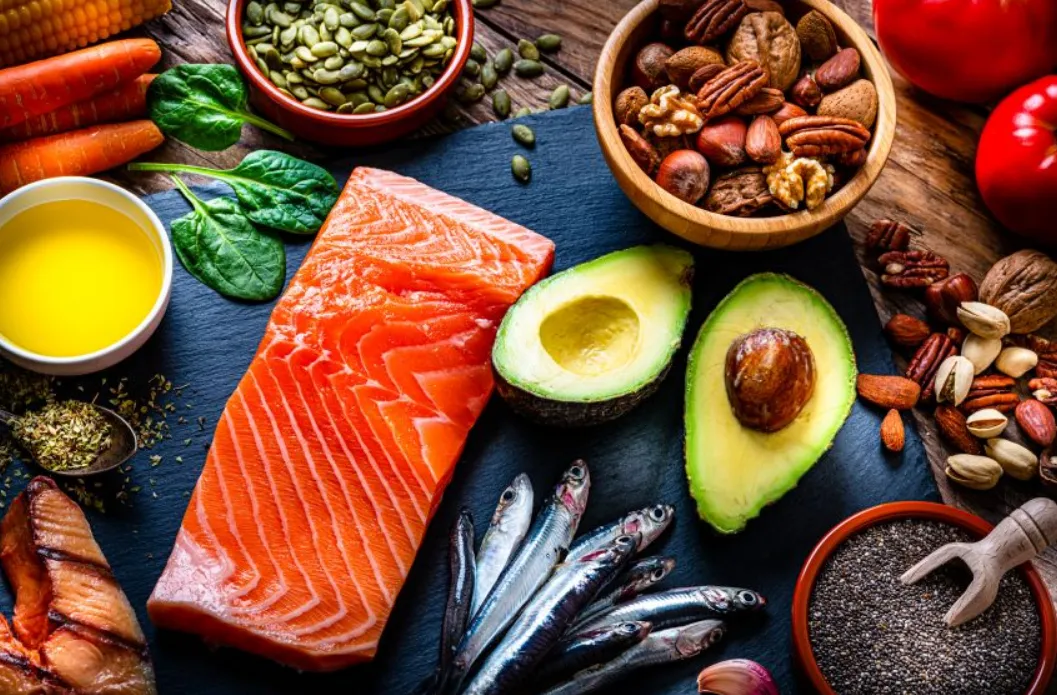
Walnuts provide a triple sleep boost—they contain melatonin, healthy fats, and magnesium. The omega-3 fatty acids in walnuts may also help regulate sleep patterns by supporting the production of DHA, a compound that increases melatonin production.
Foods Containing Tryptophan
Tryptophan is an essential amino acid that serves as a building block for both serotonin and melatonin. When you consume tryptophan-rich foods, your body converts this amino acid into serotonin, which then transforms into melatonin, creating a natural pathway to better sleep.
Turkey is perhaps the most famous tryptophan source, though the post-Thanksgiving drowsiness is likely due to the large meal rather than tryptophan alone. Still, turkey provides a substantial amount of this sleep-promoting amino acid, making it an excellent dinner protein choice.
Chicken offers similar tryptophan benefits with added versatility. A 3-ounce serving of chicken breast contains about 250 milligrams of tryptophan, helping boost serotonin levels naturally.
Pumpkin seeds are a plant-based tryptophan powerhouse. Just one ounce provides nearly 60 milligrams of tryptophan, along with magnesium and zinc—minerals that support the conversion process from tryptophan to melatonin.
For tryptophan to be most effective, pair these foods with complex carbohydrates. The carbs help tryptophan cross the blood-brain barrier more efficiently, maximizing its sleep-promoting effects.
Magnesium-Rich Foods
Magnesium acts as a natural muscle relaxant and nervous system calmer. This essential mineral activates the parasympathetic nervous system, which is responsible for helping your body feel calm and ready for sleep. Low magnesium levels are often linked to insomnia and restless sleep.
Spinach leads the pack of magnesium-rich vegetables. One cup of cooked spinach provides about 157 milligrams of magnesium—nearly 40% of your daily needs. The mineral content in leafy greens is highly absorbable, making spinach an excellent bedtime snack base.
Almonds offer both magnesium and protein, creating a satisfying pre-sleep snack. A one-ounce serving contains about 80 milligrams of magnesium. The combination of healthy fats and protein helps stabilize blood sugar throughout the night.
Avocados provide magnesium along with potassium, another mineral that supports muscle relaxation. The healthy fats in avocados also help your body absorb fat-soluble vitamins and maintain steady energy levels while you sleep.
Dark chocolate, pumpkin seeds, and black beans are additional excellent sources of magnesium that can easily be incorporated into evening meals or snacks.
Complex Carbohydrates for Sleep Support
Complex carbohydrates play a crucial role in sleep by helping stabilize blood sugar levels throughout the night. When blood sugar drops during sleep, it can trigger the release of stress hormones like cortisol, which can wake you up or prevent deep sleep.
Sweet potatoes are an ideal complex carbohydrate for evening consumption. They provide steady glucose release and contain potassium, which supports muscle function and relaxation. The natural sweetness can also satisfy late-night cravings without causing blood sugar spikes.
Oatmeal isn’t just for breakfast. A small bowl of oatmeal in the evening can promote sleepiness through multiple pathways. Oats contain melatonin and complex carbs that help tryptophan reach the brain more effectively. The warm temperature of cooked oats can also have a soothing, comfort-food effect.
Other sleep-supporting complex carbohydrates include quinoa, brown rice, and whole grain bread. These foods provide sustained energy without the crashes associated with simple sugars.
Foods to Avoid Before Bed
Just as certain foods promote sleep, others can significantly disrupt your rest. Being mindful of these sleep saboteurs is just as important as incorporating sleep-supporting foods.
Spicy foods can interfere with sleep in multiple ways. They can raise your body temperature, making it harder to achieve the cool state necessary for deep sleep. Spicy foods may also cause heartburn or indigestion, leading to physical discomfort that keeps you awake.
Caffeine is an obvious sleep disruptor, but its effects can last longer than many people realize. Caffeine has a half-life of about 6 hours, meaning that coffee consumed at 2 PM still has 25% of its caffeine content in your system at 2 AM. Avoid caffeine after 2 PM to prevent sleep interference.
High-sugar snacks cause blood sugar spikes followed by crashes, which can wake you during the night. Foods like candy, cookies, and sugary cereals can trigger the release of stress hormones when blood sugar drops, disrupting your sleep cycle.
Alcohol, while initially sedating, actually fragments sleep and reduces REM sleep quality. Large meals close to bedtime can also interfere with sleep by keeping your digestive system active when it should be resting.
Professional Support for Sleep and Nutrition
For individuals struggling with chronic sleep issues related to diet and weight, professional guidance can be invaluable. Medical weight loss programs like those in Utah often incorporate sleep hygiene and nutritional counseling into their comprehensive programs, recognizing the interconnected nature of sleep, nutrition, and overall health.
These programs can help identify specific dietary patterns that may be disrupting sleep and create personalized nutrition plans that support both weight management and better rest.
Conclusion
Now that we have explored the relationship between diet, weight, and sleep, it is clear that prioritizing healthy eating habits and maintaining a healthy weight can greatly improve our sleep quality. From reducing inflammation to balancing hormones and addressing potential nutrient deficiencies, proper nutrition can play a crucial role in promoting restful sleep.