

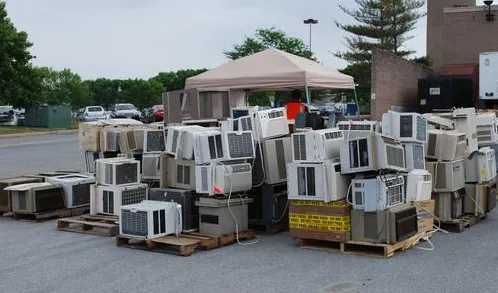
Why AC Recycling Matters
ac recycling is more than just a way to clear out an old air conditioner — it’s a critical step in protecting the environment, complying with regulations, and recovering valuable materials. When air conditioners reach the end of their lifespan, they don’t simply stop working; they become sources of potential environmental harm. Left unchecked, the refrigerants inside them can leak, contributing to ozone depletion and climate change. Meanwhile, the metal components inside each unit represent a significant opportunity for reuse and energy savings.
Each year, millions of air conditioning units are retired in the United States alone. Whether in homes, offices, or industrial facilities, these systems contain a mix of copper, aluminum, steel, and sometimes even precious metals. They also harbor harmful substances like hydrofluorocarbons (HFCs) and hydrochlorofluorocarbons (HCFCs) — greenhouse gases thousands of times more potent than CO₂. Proper ac recycling ensures that these materials are safely extracted, responsibly disposed of, and where possible, reintegrated into the production cycle.
The AC Recycling Process
ac recycling is a multi-step process that requires technical skill and specialized equipment to ensure that materials are handled safely and legally.
Refrigerant Recovery and Reclamation
The first and most crucial step is removing the refrigerant. This is typically done using recovery machines that capture the gas into certified cylinders. Refrigerants can’t just be vented into the atmosphere — doing so violates federal law and results in hefty fines. Recovered refrigerants can be purified and reused, reducing the demand for new chemical production. In some cases, older refrigerants like R-22 (which is being phased out) are reclaimed to maintain legacy systems that still require them.
Beyond refrigeration units, similar care applies when dealing with bulky waste or outdated home items. Partnering with a professional old furniture disposal service ensures that materials are handled responsibly — reusable pieces are recycled, and non-recyclables are disposed of safely, minimizing environmental impact.
Disassembly and Materials Separation
Once the refrigerant is safely removed, technicians begin dismantling the unit. This involves separating copper tubing, aluminum fins, steel casings, compressors, fans, and circuit boards. These components are then sorted by type, with clean, uncontaminated materials often fetching higher prices at recycling facilities. Compressors, in particular, are valuable due to their dense copper windings and steel housing.
Final Recycling and Disposal
After disassembly, recyclable materials are sent to smelters or processors for re-use, while non-recyclable or hazardous components (like certain types of insulation or PCB-containing parts) are disposed of according to environmental regulations. The goal is to minimize waste and maximize resource recovery, making ac recycling a model of circular economy principles.
Legal & Regulatory Considerations
EPA Rules & Certification Requirements
ac recycling isn’t just a good idea — it’s the law. The Environmental Protection Agency (EPA) requires that anyone who handles refrigerants must be certified under Section 608 of the Clean Air Act. This certification ensures that individuals understand proper recovery procedures and refrigerant management. Businesses that engage in HVAC removal or replacement must keep records of recovered refrigerants and may be subject to audits and inspections.
Local Rules and Landfill Restrictions
Beyond federal mandates, many states and municipalities have their own rules governing ac recycling. In some areas, it’s illegal to dispose of an AC unit in the regular trash or landfill unless all refrigerants and hazardous components have been professionally removed. Recycling centers may require proof of certification or charge a fee to accept units. Failing to comply with these rules can result in fines or criminal penalties.
Options for AC Owners & Contractors
Whether you’re a homeowner replacing a window unit or a contractor decommissioning a rooftop HVAC system, there are several pathways to responsible ac recycling.
Hiring Certified Recyclers or HVAC Professionals
The easiest and safest route is hiring a certified HVAC technician or recycling service. These professionals have the training and equipment needed to recover refrigerants, disassemble units, and properly recycle or dispose of components. They can also provide documentation needed for compliance purposes.
Utility Take-Back Programs and Rebates
Many utilities offer bounty programs for old air conditioners, especially during peak summer months. These programs pay homeowners or businesses to turn in inefficient units, which are then recycled according to industry best practices. In some cases, utilities also offer rebates toward the purchase of energy-efficient replacements, making this a financially smart choice.
Scrap Metal Yards and Recycling Centers
Local scrap yards often accept air conditioning units, especially if the refrigerant has already been removed. Some centers will handle the full process for you, while others may require a certified technician to drain the refrigerant before drop-off. It’s a good idea to call ahead and ask about procedures, fees, and accepted unit types.
Tips to Maximize Value and Sustainability
The key to successful ac recycling is preparation. If you’re handling an older unit, make sure the refrigerant has been properly recovered. If you’re disassembling the unit yourself (where legal), separate different metals to improve the return value. Keep materials clean and avoid mixing non-recyclables with recyclables, which can reduce what you earn and what gets reused. Timing also matters — recycling centers may pay more for copper and aluminum depending on market conditions, so checking prices before scrapping can pay off.
Conclusion & Call to Action
ac recycling is a simple yet powerful action that benefits both the planet and your wallet. By keeping harmful refrigerants out of the atmosphere and valuable metals in circulation, you’re contributing to a cleaner, more sustainable world. Whether you’re replacing a residential AC unit or decommissioning a commercial system, there’s a responsible path forward — one that ensures compliance, reduces environmental impact, and recovers resources that would otherwise be lost.
Don’t let your old air conditioner end up in a landfill. Choose certified ac recycling options, work with trusted professionals, and do your part in building a greener future. If you’re unsure where to begin, reach out to your local HVAC company or recycling center for guidance — they’re equipped to help you recycle responsibly and efficiently.