


City living has always been synonymous with movement, the constant hum of people, light, and ambition. But as modern life accelerates, more city dwellers are asking a new kind of question: how can I make my space both sustainable and healthy?
This shift is not limited to architects or designers. Even people browsing listings like downtown San Diego condos for sale are looking beyond luxury finishes and skyline views, they’re prioritizing eco-conscious features, energy efficiency, and environments that nourish mind and body.
In today’s world, urban living isn’t just about where you live; it’s about how your home supports a balanced, sustainable lifestyle.
The Rise Of Green Design In Urban Homes
Sustainability has moved from a buzzword to a lifestyle priority. Across major cities, developers are integrating eco-friendly principles into new builds and renovations alike.
This change is driven by awareness: as climate change and urban stress affect quality of life, people want homes that minimize waste, reduce energy use, and improve air quality.
Some of the most popular green design elements include:
- Smart energy systems that automatically adjust lighting and temperature.
- Natural materials like bamboo, cork, or reclaimed wood that reduce toxins and environmental footprint.
- Water-efficient fixtures that cut down consumption without compromising comfort.
- Indoor greenery and vertical gardens that naturally purify air.
According to the U.S. Green Building Council, green-certified homes use about 20–30% less energy and water than conventional residences, while often providing a measurable boost to indoor health and comfort.
Sustainability Meets Style
Gone are the days when sustainable design meant sacrificing aesthetics. Today’s eco-luxury trend shows that environmental responsibility and sophistication can coexist beautifully.
Modern interiors feature clean lines, natural light, and minimalist décor, creating spaces that feel expansive and serene. Designers use earthy palettes and organic textures to reconnect urban residents with nature.
Even small upgrades can make a big visual and emotional difference:
- Replace synthetic rugs with jute or cotton options.
- Swap plastic storage for glass or bamboo.
- Introduce plants or moss walls to add texture and freshness.
Sustainable design isn’t just a moral choice; it’s a design movement redefining beauty through simplicity, harmony, and longevity.
Wellness Begins At Home
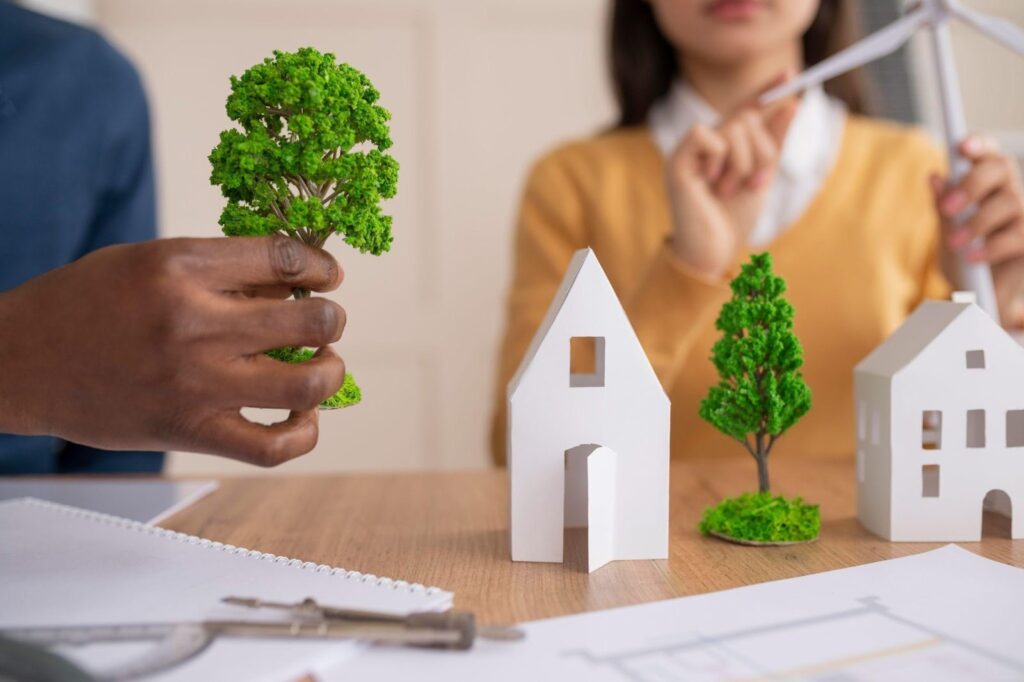
Urban stress is real, noise, fast-paced schedules, limited outdoor access. Green design addresses this by turning the home into a wellness hub.
Features like filtered ventilation systems, natural light optimization, and low-VOC paints improve both physical and mental well-being. Studies from the World Health Organization (WHO) link indoor air pollution to fatigue, anxiety, and chronic respiratory issues. Creating cleaner indoor spaces isn’t just healthy, it’s preventive medicine.
Other wellness-driven design strategies include:
- Mindful layout planning: open layouts encourage movement and flow.
- Biophilic touches: incorporating nature, real or symbolic, reduces stress and boosts focus.
- Circadian lighting: smart bulbs that mimic natural daylight cycles help regulate sleep and energy.
When city dwellers design for well-being, their homes become sanctuaries instead of stress amplifiers.
The Role Of Technology In Green Living
Technology, often blamed for urban overstimulation, is also enabling smarter, greener living.
- Smart thermostats learn habits to optimize energy use automatically.
- Solar-integrated panels power appliances and feed clean energy back into the grid.
- Water sensors track leaks and monitor usage in real time.
- Air-quality monitors notify residents when ventilation is needed.
Many developers are now building “smart green” communities where apps let residents monitor and control resource use collectively, a new model of urban sustainability that merges data with design.
This evolution proves that technology and ecology are not opposites. When paired with intention, tech enhances sustainability rather than undermining it.
Community And Connection: The New Urban Priorities
Sustainability isn’t limited to materials, it extends to community design. Increasingly, architects and planners recognize that mental health thrives in connected environments.
Urban developments are now incorporating shared gardens, rooftop lounges, bike storage, and co-working spaces that foster interaction. These amenities reduce isolation, promote collaboration, and strengthen the sense of belonging.
Even within compact condos or apartments, communal features turn cities into shared ecosystems. Residents gain not just square footage, but a deeper connection to one another and their environment.
Designing For The Future: Balance, Not Excess
The new philosophy of urban design revolves around balance, between modern convenience and environmental responsibility, between solitude and community, between minimalism and comfort.
You don’t need to build a new home to embrace it. Start small:
- Introduce plants that thrive indoors.
- Switch to energy-efficient lighting.
- Reorganize spaces for better natural flow.
- Support local artisans and sustainable brands when decorating.
These choices accumulate into meaningful change. They also influence market trends, developers are responding to consumer demand by creating homes that embody both beauty and conscience.
As eco-design becomes standard, city living is transforming from purely functional to deeply restorative.
The cities of tomorrow are being built today, not just by architects, but by everyday people choosing homes that reflect mindfulness, sustainability, and well-being.
Whether it’s through global inspiration, emerging green technologies, or even browsing downtown san diego condos for sale to admire modern sustainable architecture, the message is clear: a home should sustain more than your lifestyle, it should sustain your life.
When we design with intention, we don’t just create beautiful spaces, we create balance, resilience, and a deeper connection to the world around us.