

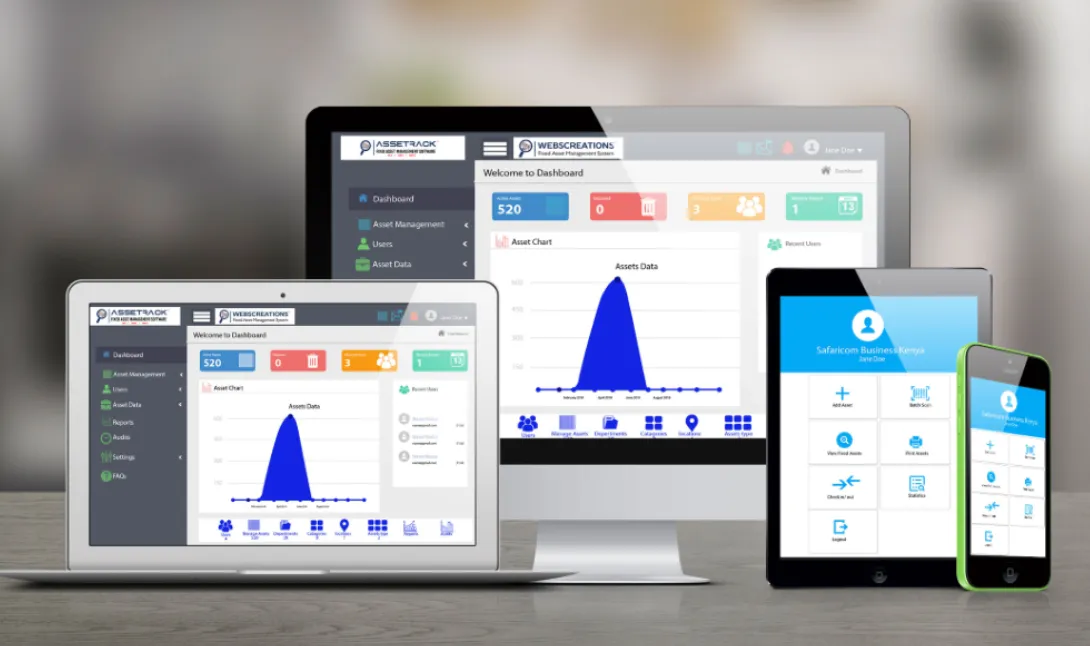
Today’s technology-influenced environment makes it essential for organizations to maintain assets well. Asset management software aids in tracking, maintaining, and optimizing the use of the assets so that they are used to their full potential.
Mobile and fixed are two widely used asset management software types. Each is different, and each offers its own set of unique advantages for distinct purposes. Recognizing their differences helps enterprises make wise decisions that cater to their requirements, especially when choosing the best asset management software for their specific needs.
What Is Fixed Asset Management Software?
Fixed asset management software is designed for long-term assets like equipment, machinery, and buildings. These are high-value assets and stay in one place. It tracks things like depreciation, maintenance schedules, and estimated life cycles of the asset.
The major benefit of using software for the management of fixed assets is its ability to process complex calculations. It can generate comprehensive reports on the values of assets, which is beneficial for financial planning and tax compliance. This software is especially beneficial to organizations that depend on mass-scale equipment or infrastructure.
Moreover, the fixed asset management software comes with great security features. It makes sure that critical financial information stays secure. The businesses will be able to protect their investments and may curb the chances of financial imperfections by using this software.
Understanding Mobile Asset Management Software
Mobile asset management software is for assets that move around, such as vehicles, tools, and smaller equipment. Similar to software intended for tracking in real-time, we have flexibility with this type of software with immediate monitoring capabilities.
The value of tracking assets in real time is one major advantage of mobile asset management software. It is an important feature, especially for businesses with locations that hold assets at multiple places. This makes for fast decision-making and resource allocation.
On top of that, mobile asset management software tends to have a more intuitive user experience. Employees do not need extensive technical training to use the intuitive interface. Such ease of access can result in higher productivity and lower downtime, as staff can find, view, and evaluate assets quickly.
Fixed vs Mobile Asset Management: The Differences
In fixed asset and mobile asset management software, the focus and functionality are different. Fixed asset management focuses on stationary tools and provides in-depth financial data. Mobile asset management offers mobile tracking and mobility for movable assets.
Another difference lies in the way they are deployed and how they are integrated. Fixed asset management software typically needs more deployment and integration with current financial systems. In contrast, mobile asset management is much easier to deploy and fits well with mobile devices.
While more robust analytical tools for fixed asset management are available, mobile asset management provides information without delay. That difference can impact the decision depending on the type of business and how it operates.
How to Know What Software Is Right for You
Whether you select fixed or mobile asset management software comes down to a variety of considerations. Organizations should assess their assets, operations, and available budgets.
A better option may be fixed asset management software suitable for businesses that own movable and immovable assets on a larger scale. This is why it is very useful in industries such as manufacturing or real estate, where it needs to take care of financial data as well as depreciation.
On the flip side, mobile asset management is probably more useful for companies that engage primarily in logistics, transportation, or construction. With real-time tracking, it will make certain the productive use of assets, with little or no delays and less downtime.
Well, it also matters what your budget is. Higher cost: Fixed asset management software is feature-rich software with complex user requirements to cater to. So, often, it demands a bigger initial investment. Mobile asset management is comparatively cheaper to implement but needs continuous monitoring and upgrades.
Industry-Specific Considerations
Different industries have unique requirements that influence software selection. Manufacturing companies typically benefit more from fixed asset management due to their heavy machinery and equipment investments. These businesses need detailed depreciation tracking and maintenance scheduling for expensive production equipment.
Service-based industries, particularly those with field operations, often find mobile asset management more valuable. Companies in HVAC, plumbing, or electrical services need to track tools and vehicles across multiple job sites. According to the U.S. Bureau of Labor Statistics, businesses that implement proper asset tracking systems see an average of 25% improvement in operational performance.
Healthcare organizations might need both types, using fixed asset management for medical equipment and facilities while employing mobile solutions for portable devices and transport equipment.
Implementation Timeline and Costs
Understanding the implementation process helps businesses plan better. Fixed asset management software typically requires three to six months for full deployment, including data migration and staff training. The complexity comes from integrating with existing financial systems and setting up detailed asset hierarchies.
Mobile asset management solutions can often be implemented within four to eight weeks. The simpler architecture and cloud-based deployment make rollout faster. However, businesses need to factor in ongoing costs for GPS tracking, cellular connectivity, and regular software updates.
Conclusion
Choosing between fixed and mobile asset management software needs careful assessment of the unique requirements and attributes of an organization. Asset management provides in-depth financial information about non-mobile assets (fixed asset management); on the contrary, mobile asset management provides great flexibility and is a real-time tracking option for movable assets.
When businesses know the pros, cons, and differences between each, they can make use of the right software to facilitate their asset management processes. Making this decision can improve performance, save costs, and bring about an understanding of how the assets are utilized.