

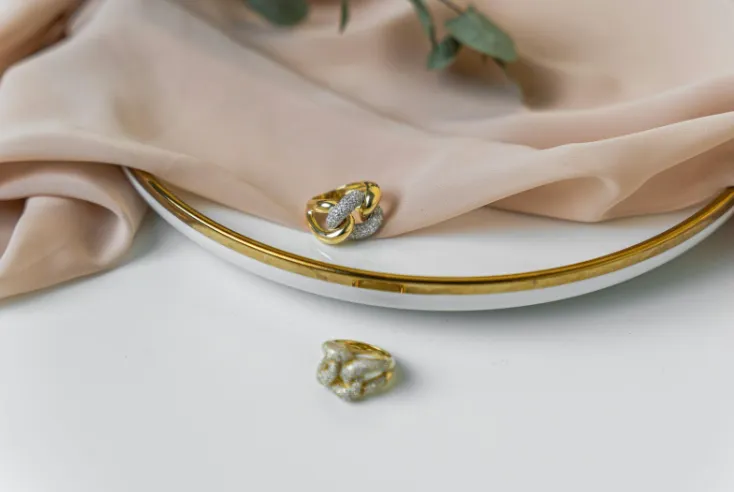
Photo by Amina Atar on Unsplash
Gold has been cherished for centuries, but few people truly understand the differences between purities, or how those differences influence durability, color, price, and everyday practicality. As fine jewelry becomes more integrated into daily style rather than reserved for special occasions, buyers are increasingly researching purity levels to make smarter, long-lasting choices. Guides such as 14k vs 18k vs 24k gold are helping consumers understand how purity influences everything from shine and softness to wearability.
Choosing the right gold isn’t about following a trend, it’s about matching material to lifestyle, aesthetic taste, and long-term expectations.
What Gold Purity Really Means
Gold purity refers to the amount of pure gold in a piece of jewelry relative to the other metals alloyed with it. Pure gold is measured as 24 karats, but because it is soft, jewelers mix it with metals like copper, silver, or nickel to enhance durability.
Understanding purity starts with a simple breakdown:
- 24k gold = 99.9% pure gold
- 18k gold = 75% gold + 25% alloy
- 14k gold = 58.3% gold + remaining alloy
Each purity level has unique advantages, color richness, strength, malleability, and cost. The right choice depends heavily on how and when the piece will be worn.
Why 14k Gold Is the Everyday Favorite
For most people, 14k gold is the best balance of beauty and resilience. Its alloy mix makes it strong enough to withstand daily wear without scratching as easily as higher-karat gold. This makes it ideal for:
- engagement rings
- wedding bands
- stacking rings
- everyday necklaces or bracelets
Its color is slightly less saturated than 18k or 24k gold, but still warm and classic. And because 14k is more affordable, many shoppers can invest in higher-quality craftsmanship or more intricate designs without stretching their budget.
This is also why many U.S. jewelry buyers prefer 14k, it simply fits their lifestyle.
18k Gold: The Sweet Spot for Luxury and Durability
18k gold is where richness and practicality meet. Its 75% purity gives it a deeper yellow hue and a softer glow than 14k gold, making it the go-to choice for many luxury houses. It still retains enough alloy to handle daily use, especially in pieces that don’t experience heavy wear.
Worn in earring sets, statement rings, or high-end bracelets, 18k gold offers a luxurious look without the delicacy of pure gold. Its balance of durability and visual warmth often makes it a preferred choice for people who want standout pieces that still hold up well over time.
Fashion publications have noted increased interest in high-purity gold because consumers are shifting toward long-lasting pieces. Glamour highlights how shoppers today prioritize quality materials over fast-fashion alternatives, contributing to a renewed appreciation for finer gold purities.
18k gold captures that desire for elevated, premium jewelry without compromising practicality.
24k Gold: Pure, Rich, and Perfect for Heirloom Pieces
With a composition of nearly 100% gold, 24k gold has the richest color of all purities, deep, warm, and unmistakably luxurious. Its hue is vibrant and almost glowing, making it highly prized in many cultures for ceremonial jewelry, keepsakes, and heirloom pieces.
However, 24k gold is softer and more malleable than alloyed gold. This makes it ideal for:
- traditional bands
- custom castings
- symbolic jewelry
- investment pieces
But it is less suited for heavily worn items like prong-set rings or bracelets that may be bumped or scratched throughout the day.
Its beauty, however, is unmatched. For people who want jewelry that feels grounding, symbolic, and timeless, 24k remains the pinnacle of purity.
Matching Gold Purity to Your Lifestyle
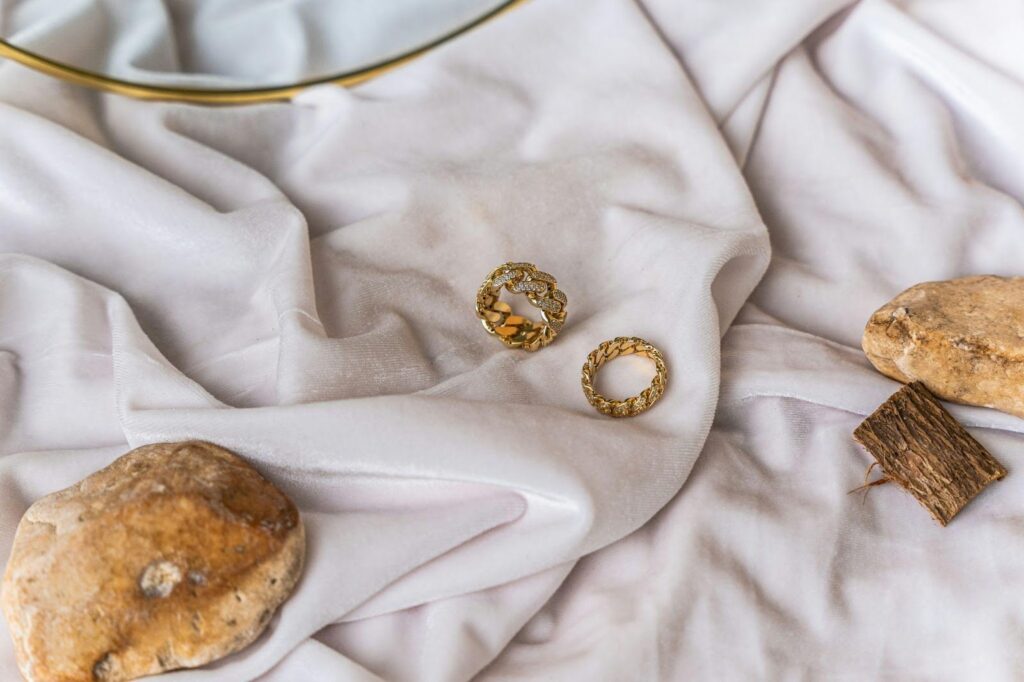
Photo by Amina Atar on Unsplash
The most important factor in choosing gold is your lifestyle. A piece worn every day, through work, chores, and activity, needs durability. But a piece worn on special occasions can afford softness or delicacy.
Choose 14k gold if:
• you want durability for rings and bracelets
• you prefer subtle warmth instead of deep saturation
• you’re investing in everyday jewelry
Choose 18k gold if:
• you want a rich yellow tone with good strength
• you prefer a slightly more luxurious aesthetic
• you want versatility between daily and occasional wear
Choose 24k gold if:
• you love deep, pure gold tones
• you’re looking for symbolic or heirloom pieces
• you want jewelry that holds cultural or emotional value
There is no universal “best”, only what best fits your life.
Skin Tone, Wardrobe, and Styling Preferences
Color preference is often tied to skin tone and wardrobe. Some people feel that the slightly cooler tone of 14k complements their style; others prefer the warmer radiance of 18k or 24k gold.
14k gold tends to pair well with cooler or neutral palettes, making it ideal for modern minimalist wardrobes.
18k gold complements warm or earth-rooted palettes, adding richness to deeper colors.
24k gold becomes the highlight, its vibrance can elevate simple outfits effortlessly.
These subtle differences allow gold purity to become part of a personal style signature.
The Increasing Desire for Transparency in Jewelry Buying
Today’s jewelry buyer wants clarity. They want to know:
- What purity means
- How long a piece will last
- Whether a piece is suitable for daily use
- Why pricing varies across purities
- Whether the metal has ethical origins
Small-batch and educational brands have responded by creating resources that explain gold in simple, empowering terms, helping customers buy with confidence rather than confusion.
Gold Purity Is More Than a Number, it’s a Choice About Lifestyle and Identity
At its core, choosing gold purity is about understanding your needs, habits, and the meaning jewelry holds for you. For some, durability matters most. For others, the glow of rich purity carries emotional or cultural significance. And for many, the “right” gold is a blend of aesthetic preference and practical use.
The beauty of modern fine jewelry is that there is no wrong choice, only the choice that aligns with your life.
With the right understanding of purity, anyone can build a jewelry collection that feels timeless, personal, and uniquely suited to them.