


The ripple effects of poor sleep extend far beyond feeling groggy the next morning. Your immune system weakens, your risk for heart disease and diabetes increases, and your mental health takes a significant hit. Even your relationships suffer when you’re running on empty. The encouraging news is that most sleep challenges respond beautifully to targeted strategies, and for those dealing with conditions like sleep apnea, effective treatment for sleep apnea has evolved to offer life-changing solutions that go well beyond traditional approaches.
What Happens to Your Body When Sleep Goes Wrong?
During deep sleep, your brain’s waste removal system (the glymphatic system) flushes out toxins that accumulate during waking hours. This includes proteins linked to Alzheimer’s disease and other neurodegenerative conditions. When you skimp on sleep, you’re essentially skipping this crucial maintenance cycle.
Sleep’s Impact on Your Physical Health
But the benefits extend well beyond brain health. Quality sleep strengthens your immune system so significantly that people who sleep fewer than five hours per night are 4.5 times more likely to catch a cold than those who get adequate rest. Your heart benefits too – during sleep, your blood pressure naturally drops, giving your cardiovascular system time to recover and reset.
The Emotional Connection to Sleep
Perhaps most importantly for your daily experience, sleep directly impacts your emotional regulation. After a good night’s rest, your brain’s prefrontal cortex (responsible for rational thinking) stays properly connected to your emotional centers. This means you’re better equipped to handle stress, make decisions, and maintain stable relationships.
Warning Signs You Shouldn’t Ignore
The warning signs that your sleep needs attention include persistent fatigue despite spending adequate time in bed, difficulty concentrating during the day, mood swings, frequent morning headaches, or your partner mentioning that you snore loudly or stop breathing during sleep. These symptoms suggest your sleep issues may require more than lifestyle adjustments alone.
What Makes a Room Perfect for Deep, Restorative Rest?
Temperature
Your bedroom environment plays a starring role in sleep quality, and small adjustments can yield surprisingly significant improvements. Temperature ranks as one of the most crucial factors – your body needs to drop its core temperature to initiate sleep. Setting your thermostat between 65-72°F creates the ideal conditions for this natural cooling process.
Managing Light for Better Sleep
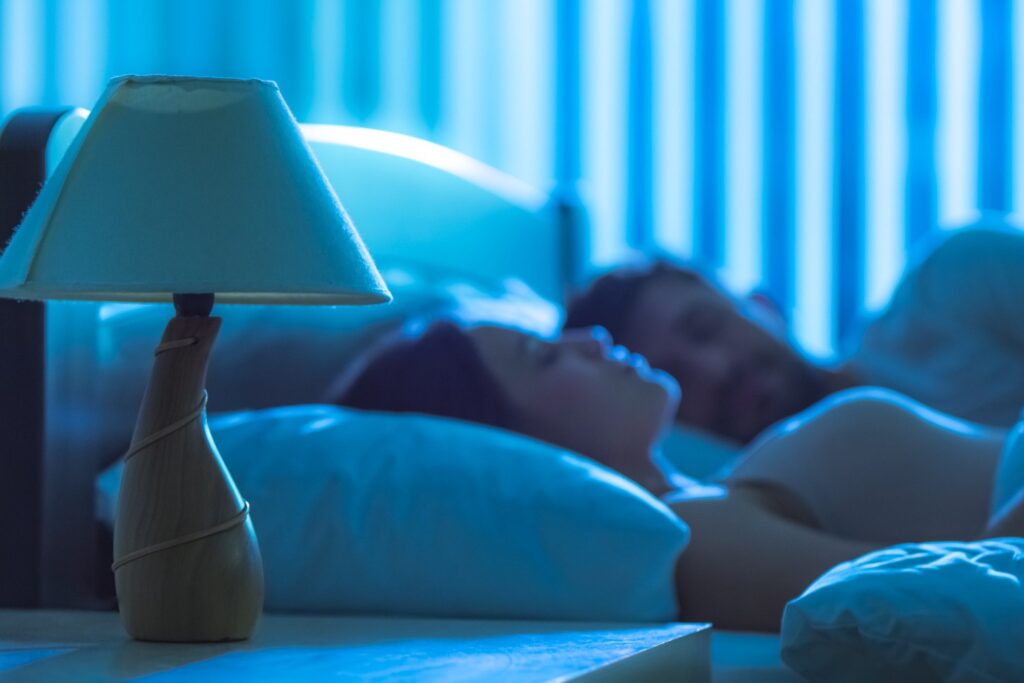
Light exposure requires careful management throughout the day. Your brain’s internal clock relies on light cues to maintain proper sleep-wake cycles. This means seeking bright light exposure in the morning and gradually dimming lights as evening approaches. The blue light emitted by phones, tablets, and computers can be particularly disruptive, tricking your brain into thinking it’s still daytime. Consider using blue light filtering glasses or apps after sunset, and establish a technology curfew at least one hour before bedtime.
Sound Strategies for Uninterrupted Rest
Sound management depends largely on personal preference, but consistency matters most. Some people sleep best in complete silence, while others benefit from steady background noise that masks sudden sounds. White noise machines, fans, or even smartphone apps can provide consistent auditory environments that promote uninterrupted sleep.
Choosing the Right Sleep Surfaces
Your mattress and pillows deserve attention, too. Upgrading to a high-quality option like the Tiami mattress can provide the balanced support and pressure relief needed to improve spinal alignment and overall sleep comfort. Your pillow should maintain your neck’s natural curve—side sleepers generally need thicker pillows than back sleepers, while stomach sleeping (though not recommended) requires minimal pillow support.
Air Quality and Your Sleep Environment
Finally, consider your bedroom’s air quality. Poor ventilation can lead to stuffiness that disrupts sleep. A small fan or air purifier can improve circulation, and keeping indoor plants like snake plants or peace lilies can naturally enhance oxygen levels.
Why Do Sleep Schedules Matter More Than Sleep Duration?
Building Consistent Sleep Patterns
Sleep hygiene encompasses the daily habits that either promote or hinder quality sleep. Consistency forms the foundation of good sleep hygiene – going to bed and waking up at the same time every day, even on weekends, helps regulate your body’s internal clock. This might feel restrictive initially, but most people find that consistent schedules actually increase their energy and improve their mood.
Creating a Wind-Down Routine
Your wind-down routine should begin 30-60 minutes before bedtime. This isn’t just about brushing your teeth and changing clothes—it’s about transitioning your mind and body from the day’s activities to sleep mode. Consider incorporating calming activities like reading, gentle stretching, or listening to soft music. Avoid emotionally charged content, including exciting books, intense movies, or stressful conversations.
Timing Your Food, Caffeine, and Exercise
The timing of food, caffeine, and exercise significantly impacts sleep quality. Caffeine can stay in your system for 6-8 hours, so that afternoon coffee might be interfering with your bedtime more than you realize. Large meals within three hours of bedtime can cause discomfort and indigestion that disrupts sleep. Instead, if you’re genuinely hungry before bed, opt for a light snack containing tryptophan (like turkey or milk) or complex carbohydrates.
Natural Sleep Aids
Natural sleep aids can provide gentle support for those struggling with occasional sleeplessness. Magnesium supplements help relax muscles and calm the nervous system – many people find 200-400mg taken 30 minutes before bed helpful. Chamomile tea has mild sedative properties and can be part of a soothing bedtime routine. Valerian root shows promise for reducing the time it takes to fall asleep, though it’s best used under guidance from a healthcare provider.
Melatonin’s Role
Melatonin deserves special mention as it’s widely available but often misused. This hormone naturally rises in the evening to signal sleepiness. Taking small doses (0.5-3mg) about 30 minutes before your desired bedtime can help reset disrupted sleep cycles, but it’s not a cure-all for sleep problems.
How Can You Train Your Body to Relax on Command?
Clearing Your Mind with Journaling
Your mental state profoundly influences sleep quality, and racing thoughts represent one of the most common barriers to peaceful rest. Journaling provides a powerful tool for clearing your mind before bed. Spend 10-15 minutes writing down worries, tomorrow’s tasks, or simply reflecting on the day. This “brain dump” helps externalize concerns so they don’t cycle endlessly in your head.
Progressive Muscle Relaxation Techniques
Progressive muscle relaxation offers another effective technique for both physical and mental relaxation. Starting with your toes and working up to your head, systematically tense and then relax each muscle group. This practice not only releases physical tension but also gives your mind something specific to focus on instead of worries.
Breathing Exercises for Better Sleep
Breathing exercises can activate your body’s relaxation response. The 4-7-8 technique works particularly well: inhale for 4 counts, hold for 7, then exhale slowly for 8 counts. This pattern naturally slows your heart rate and signals to your nervous system that it’s safe to rest.

Simple Meditation for Sleep
Meditation doesn’t require years of practice to be beneficial for sleep. Even simple mindfulness exercises, like focusing on the sensation of your breath or doing a body scan, can help quiet mental chatter. Many apps offer guided sleep meditations specifically designed to ease the transition to sleep.
Setting Boundaries Between Day and Night
Creating boundaries between your day and night proves crucial for many people. This might mean having difficult conversations earlier in the day, setting specific times for checking email, or establishing physical rituals that signal the end of your “productive” day. Some people find it helpful to write down any urgent thoughts that arise at bedtime, promising themselves they’ll address these concerns tomorrow.
When Should You Stop Trying to Fix Sleep Problems Alone?
Red Flags That Require Professional Attention
While lifestyle modifications can substantially improve sleep for many people, certain symptoms suggest the need for professional evaluation. Loud, persistent snoring combined with witnessed breathing interruptions during sleep strongly indicates sleep apnea.
Other red flags include excessive daytime sleepiness despite adequate time in bed, falling asleep at inappropriate times (like while driving or during conversations), restless legs that prevent sleep onset, or insomnia lasting more than a few weeks. These symptoms often point to underlying sleep disorders that respond best to professional diagnosis and treatment.

The Value of Sleep Studies
Sleep studies, whether conducted in a lab or at home, can provide invaluable insights into what’s happening while you sleep. These tests monitor everything from your breathing patterns and oxygen levels to brain waves and movement, creating a detailed overview of your sleep architecture.
Modern Treatment Options
The treatment landscape for sleep disorders has expanded significantly in recent years. While CPAP therapy remains highly effective for sleep apnea, alternatives like oral appliances, positional therapy, and innovative treatments like hypoglossal nerve stimulation offer hope for those who haven’t found success with traditional approaches. The key lies in working with sleep specialists who can match the right treatment to your specific condition and lifestyle.
Personalized Sleep Medicine
Modern sleep medicine takes a personalized approach, recognizing that what works for one person may not work for another. This individualized care often combines medical interventions with lifestyle modifications, creating treatment plans that address each patient’s unique needs and circumstances, not only the sleep disorder itself.
How Do You Know Which Sleep Strategies to Try First?
Real change happens gradually, so resist the urge to overhaul your entire routine overnight. Start by choosing one or two strategies that resonate most with you – perhaps establishing a consistent bedtime or creating a technology-free bedroom. Once these changes feel natural (usually after 2-3 weeks), add another element to your sleep improvement plan.
Keep a simple sleep diary to track patterns and identify what works best for you. Note your bedtime, wake time, how long it took to fall asleep, and how refreshed you felt in the morning. Also track factors like caffeine consumption, exercise timing, and stress levels. This information becomes invaluable for fine-tuning your approach.
Quality sleep represents one of the most powerful investments you can make in your overall health and well-being. Your future self – rested, energized, and thriving will thank you for the effort you put in today.