

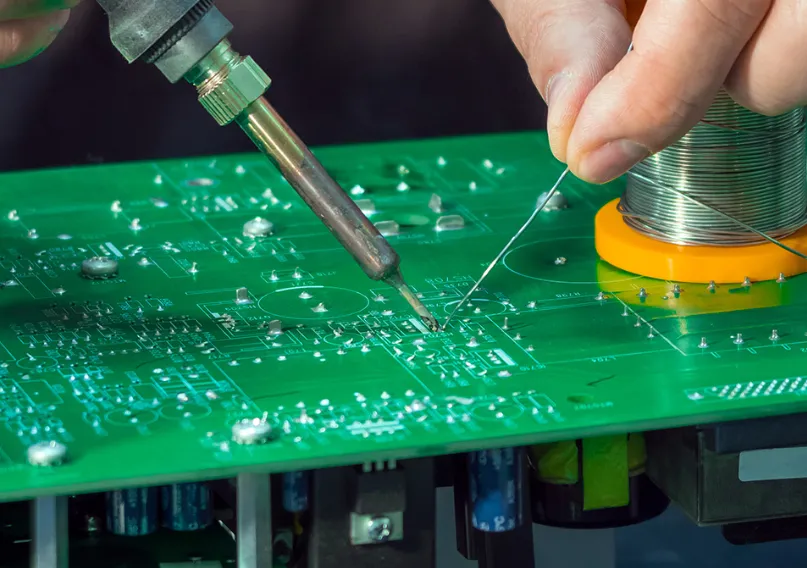
Printed Circuit Board Assemblies (PCBAs) are the operational core of nearly every electronic device we use. From the car that gets you to work to the smartphone in your pocket, these complex boards make modern life possible. Finding a partner for custom PCB fabrication and PCBA solutions is more than just a procurement decision; it’s a foundational choice that impacts product performance, safety, and brand reputation. This is especially true in demanding sectors like automotive and consumer electronics, where reliability is not just a feature, but a necessity.
The Critical Role of Reliability in PCBA
Reliability in a PCBA means it performs its intended function consistently over its expected lifespan without failure. A failure can be as minor as a glitchy interface on a coffee maker or as catastrophic as a malfunctioning safety system in a car. For manufacturers, unreliable PCBAs lead to costly product recalls, warranty claims, and irreversible damage to customer trust.
In both automotive and consumer electronics, the cost of failure is exceptionally high. These industries operate on a massive scale, and even a small defect rate can affect millions of users. Therefore, partnering with a PCBA service provider who prioritizes quality and consistency is essential for long-term success.
Unique Challenges in Automotive Electronics
The automotive environment is one of the harshest for electronic components. PCBAs in vehicles must withstand extreme conditions while performing critical functions.
Temperature Extremes and Vibration
An engine control unit (ECU) might face freezing temperatures on a winter morning and intense heat from the engine bay just minutes later. These thermal cycles can cause materials to expand and contract, stressing solder joints and components. At the same time, the constant vibration from the road can lead to mechanical fatigue and connection failures. Automotive-grade PCBAs require specific materials, robust component mounting, and rigorous testing to ensure they can handle this stress.
Safety and Longevity
Modern vehicles rely on electronics for everything from airbag deployment and anti-lock braking systems (ABS) to advanced driver-assistance systems (ADAS). A failure in any of these systems can have life-threatening consequences. Automotive PCBAs must adhere to strict safety standards like ISO 26262. They are also expected to last for the vehicle’s entire lifespan, which could be 15 years or more, demanding exceptional durability.
The Demands of Consumer Electronics
While not typically exposed to the same physical extremes as automotive parts, consumer electronics present their own set of challenges for PCBA services.
Miniaturization and Complexity
Consumers want devices that are smaller, thinner, and more powerful. This trend drives the need for increasingly dense and complex PCBAs. High-Density Interconnect (HDI) boards with micro-vias and fine-pitch components are now standard. Assembling these intricate boards requires advanced equipment and precise process control to avoid defects like solder bridging or tombstoning, where a component lifts off a pad.
Cost-Effectiveness and Speed to Market
The consumer electronics market is fiercely competitive. Brands are under constant pressure to innovate quickly and offer products at an attractive price point. This means PCBA production must be both cost-effective and rapid. Balancing cost with quality is a delicate act. Cutting corners with cheaper components or rushed testing can lead to widespread product failures and ultimately cost a company far more in the long run.
Choosing the Right PCBA Service Partner
Selecting the right partner for your PCBA needs is crucial for navigating these challenges. It’s not just about finding the lowest bidder. A quality partner acts as an extension of your own team.
Look for Industry-Specific Expertise
Does the provider have proven experience in the automotive or consumer electronics sector? They should understand the specific standards, materials, and testing protocols required for your industry. For automotive projects, look for certifications like IATF 16949, which is a key indicator of a commitment to quality management in the automotive supply chain.
Evaluate Their Quality Control Processes
A reliable PCBA service provider will have a robust quality management system. Ask about their inspection and testing procedures. Do they use Automated Optical Inspection (AOI), X-ray inspection for complex joints, and in-circuit testing (ICT)? A transparent and thorough quality process is a sign of a partner you can trust.
Assess Their Technology and Capabilities
Ensure the provider has the technology to handle your product’s complexity. This includes assembly equipment for fine-pitch components, HDI capabilities, and a skilled engineering team that can provide Design for Manufacturability (DFM) feedback. This feedback can help you optimize your design for more efficient and reliable production, saving you time and money.
Prioritize Quality for Lasting Success
In the fast-paced worlds of automotive and consumer electronics, the reliability of your product begins with the quality of its core components. The PCBA is the heart of your device, and its failure can have significant consequences. By carefully selecting a PCBA service provider that demonstrates a deep commitment to quality, industry expertise, and technological excellence, you are investing in your product’s performance and your brand’s reputation. Make the choice to prioritize reliability; it is the cornerstone of building products that customers can depend on.