

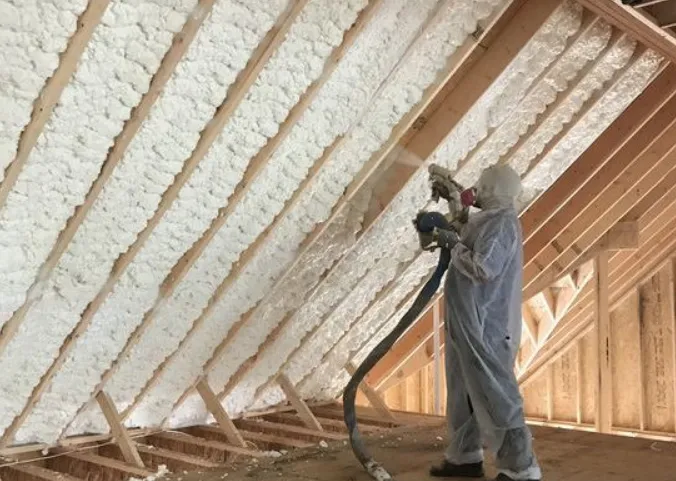
Spray foam and attic insulation play a central role in how homes manage temperature, air movement, and overall comfort throughout the year. These materials influence more than seasonal heating and cooling; they also affect moisture control, indoor air quality, and structural durability. Homeowners often overlook the attic when evaluating comfort issues, even though it is one of the most critical areas for energy regulation. By understanding how insulation works within this space, it becomes easier to see how small improvements can lead to noticeable changes in daily living conditions. Spray foam and attic insulation solutions continue to evolve, offering homeowners more efficient and adaptable options.
How insulation influences indoor comfort
- The Relationship Between Attic Insulation and Air Movement
Attic insulation directly affects how air travels through a home, shaping temperature consistency from room to room. Without adequate insulation, warm air can rise during colder months, while hot air can infiltrate living spaces during warmer periods. Spray foam addresses this issue by expanding to fill gaps, sealing areas where air leakage commonly occurs. This limits unwanted air exchange and helps maintain stable indoor conditions. Traditional insulation materials rely more on thickness and placement, while spray foam creates a continuous barrier. The attic becomes a controlled zone rather than a source of drafts, allowing the rest of the home to function more efficiently. This control over air movement improves comfort while reducing strain on heating and cooling systems.
- Moisture Control and Long-Term Structural Support
Beyond temperature regulation, attic insulation plays a major role in managing moisture levels within a home. Moisture intrusion can cause condensation, which may damage wood framing, drywall, and other structural elements over time. Spray foam insulation resists moisture penetration by limiting air pathways that carry humid air into attic spaces. This helps reduce the risk of mold development and material degradation. Contractors working with systems like First Defense Insulation often focus on this balance between sealing and ventilation to support long-term performance. Proper moisture control protects not only comfort but also the building’s integrity, contributing to a healthier indoor environment throughout the seasons.
- Energy Efficiency Through Consistent Thermal Barriers
Attic insulation creates a thermal barrier that slows heat transfer between indoor and outdoor environments. Spray foam performs this function by adhering directly to surfaces, reducing thermal bridging that can occur with other insulation types. This consistent barrier helps keep indoor temperatures stable, reducing the need for system cycling. Over time, this stability reduces energy consumption and improves indoor comfort predictability. The attic is less affected by outside temperature swings, benefiting the entire home. By reducing heat loss and gain at the top of the structure, insulation supports efficient operation without requiring constant mechanical adjustments.
- Adapting Insulation Choices to Different Home Designs
Not all homes share the same layout, roof structure, or ventilation patterns, which makes insulation selection an important decision. Spray foam adapts well to irregular spaces, sloped ceilings, and complex attic designs where traditional materials may leave gaps. This adaptability allows insulation to perform consistently across older homes, newer constructions, and remodels. Attic insulation strategies often vary based on climate, roof design, and home usage patterns. By tailoring insulation to the specific structure, homeowners can achieve balanced performance without over-insulating or leaving vulnerable areas untreated. This customization helps ensure that insulation supports comfort without creating unintended airflow or moisture issues.
- A Brief Look at Indoor Comfort
Comfort within a home is closely tied to how evenly temperatures are maintained across living spaces. Attic insulation contributes to this balance by reducing hot and cold spots caused by air leakage and heat transfer. When insulation performs effectively, rooms feel more consistent regardless of their location within the structure. This consistency supports relaxation, sleep quality, and daily routines without constant thermostat adjustments. Comfort becomes a natural outcome of thoughtful insulation rather than a challenge that requires ongoing correction.
Spray foam and attic insulation influence how homes function at a fundamental level, affecting air movement, moisture control, and temperature stability. By focusing on the attic as a key performance area, homeowners can address comfort issues that might otherwise remain unresolved. Insulation choices shape long-term efficiency and structural health while supporting a more comfortable indoor environment. Spray foam solutions provide adaptable coverage that adapts to various home designs and conditions. When attic insulation is approached with care and planning, it becomes a foundational element of home performance rather than a hidden afterthought.