

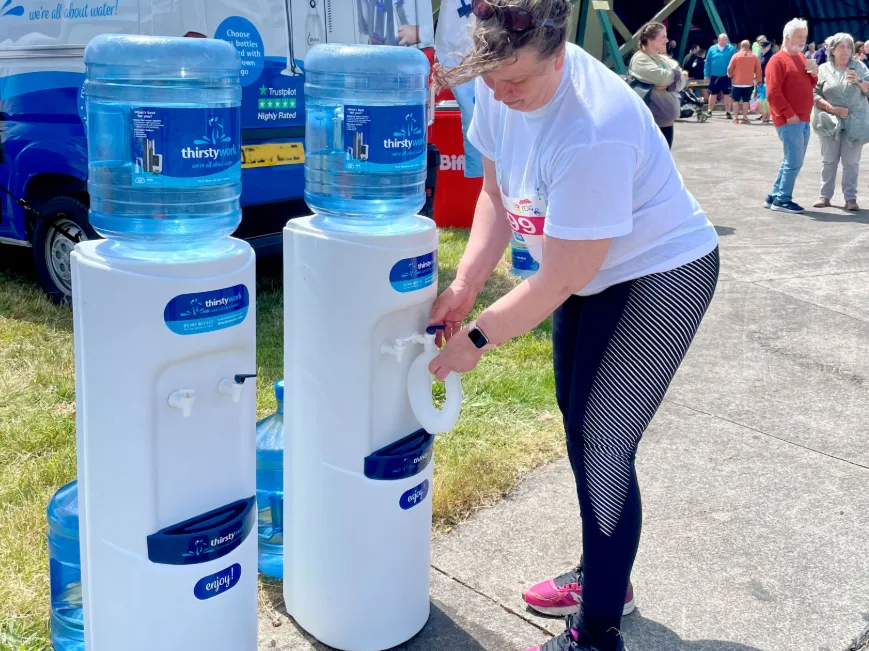
Event planning is often about anticipating needs before they become problems. Power, parking, washrooms, crowd flow,these details tend to get careful attention. Hydration, however, is sometimes treated as an afterthought until it becomes urgent. That’s why organizers who have planned large or outdoor gatherings before often begin their search early for a water refill station rental,not because it’s flashy, but because it quietly supports safety, comfort, and overall event success.
Choosing the right water station isn’t just about access to drinking water. It’s about understanding how people move, how long they stay, how weather affects behavior, and how infrastructure either reduces or creates stress. When hydration is handled well, no one notices. When it’s handled poorly, everyone does.
1. Start With People, Not Equipment
The most effective hydration plans begin by thinking about attendees,not assets.
How Many People Will Be There,and for How Long
A short community gathering and an all-day outdoor festival place very different demands on hydration. Consider:
- total attendance
- peak crowd times
- average length of stay
- physical activity levels
Events involving walking, standing, or physical exertion increase water consumption significantly.
Who Is Attending Matters
Different audiences have different hydration needs:
- families with children
- athletes or participants
- volunteers and staff
- seniors
- vendors
Planning only for average consumption often leaves gaps for higher-need groups.
Access Reduces Risk
When water is easy to access, people hydrate more regularly. When access is limited, dehydration risk increases,even if water technically exists somewhere on site.
Hydration planning works best when it removes friction.
2. Understand Your Site Before Choosing a Station
Water stations don’t operate in isolation. They exist within real spaces, with real constraints.
Site Layout Shapes Flow
Before choosing a rental, consider:
- entry and exit points
- natural gathering areas
- shaded zones
- food and activity locations
A water station placed along natural movement paths will be used far more than one tucked out of the way.
Infrastructure Availability Matters
Some sites offer:
- power access
- flat, stable ground
- vehicle access
Others don’t. Knowing this early helps determine:
- trailer size
- mobility requirements
- setup time
- staffing needs
Choosing a solution that fits the site reduces last-minute adjustments.
Weather Changes Everything
Heat, humidity, and sun exposure dramatically affect water demand. Events held in warm conditions should plan for higher capacity and easier access.
Hydration planning is part of weather contingency planning.
3. Capacity and Throughput Are More Important Than Size
Bigger isn’t always better,but under-capacity is always noticeable.
Throughput Determines Experience
A water station’s ability to serve people quickly matters more than how much water it holds. Long lines discourage use, even when water is available.
Consider:
- number of fill points
- refill speed
- expected peak demand
The goal is steady flow, not crowding.
Think in Peaks, Not Averages
Most events experience hydration surges:
- after performances
- during breaks
- in peak heat
- near the end of activities
Planning for average use often leaves stations overwhelmed during these moments.
Redundancy Reduces Stress
Multiple access points or backup capacity prevents small issues from becoming major disruptions.
Hydration planning benefits from margin.
4. Health, Safety, and Compliance Should Be Non-Negotiable
Water access is a safety issue, not just a convenience.
Cleanliness and Maintenance Matter
Water stations should support:
- sealed systems
- regular sanitation
- clean dispensing points
Attendees may not consciously evaluate hygiene,but they react quickly to anything that feels questionable.
Staff and Volunteer Considerations
Hydration plans should include:
- access for staff
- clear signage
- education on station use
Well-hydrated teams are more effective and safer.
Supporting Emergency Preparedness
Adequate hydration reduces heat-related incidents and supports first-aid readiness. Events that plan hydration well often experience fewer medical interventions.
Water is preventative infrastructure.
5. Sustainability and Experience Go Hand in Hand
Hydration decisions influence how an event is remembered.
Refill Stations Reduce Waste
Single-use bottles generate:
- visible waste
- cleanup costs
- environmental impact
Refill stations encourage reusable bottles and reduce the visual footprint of waste.
Attendees Notice Thoughtful Planning
When hydration is easy and accessible, attendees feel cared for,even if they don’t consciously note why.
Comfort shapes perception.
Experience Is Built From Small Details
People remember:
- how long they waited
- how easy it was to stay comfortable
- whether basic needs were met
Hydration quietly supports all of these.
The Takeaway: The Right Water Station Supports the Whole Event
Choosing the right water station rental isn’t about equipment alone. It’s about anticipating human behavior, site conditions, and moments of peak demand.
The most effective hydration plans:
- start with people
- adapt to the site
- plan for peaks
- prioritize safety
- reduce friction
- support sustainability
When hydration is planned intentionally, it fades into the background,doing its job without drawing attention.
And that’s exactly the point.
Well-chosen water stations don’t compete with the event.
They support it,quietly, consistently, and where it matters most.