

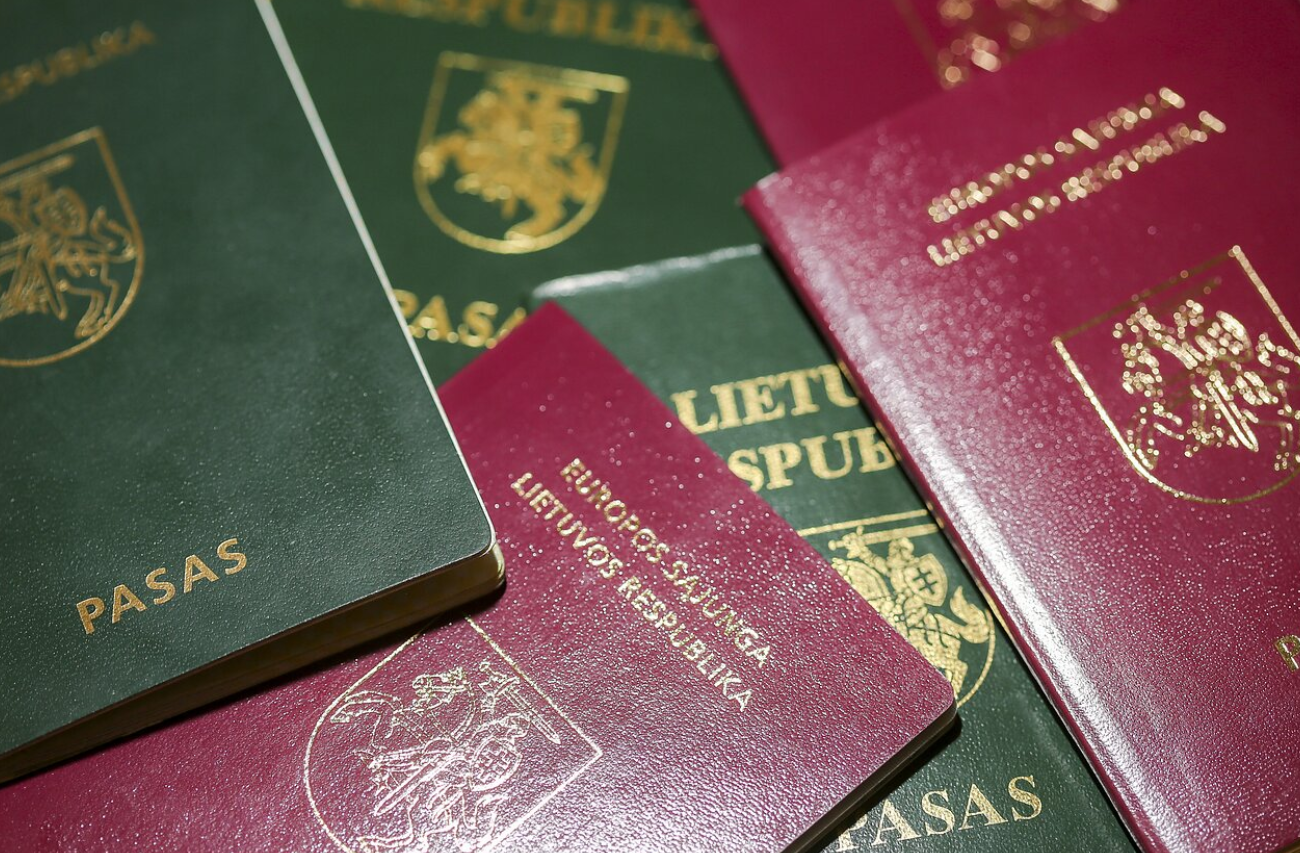
Dual citizenship is one of the most misunderstood legal concepts in Europe. People tend to think in binaries: either it’s allowed or it’s forbidden. Lithuania doesn’t work that way. Its approach to dual nationality is selective, historically grounded, and precise — which is exactly why so many people misjudge their chances.
Understanding lithuania dual citizenship requires abandoning assumptions and looking at how law, history, and timelines intersect. For descendants of Lithuanian citizens, this distinction can be the difference between a successful application and years of wasted effort.
Why Dual Citizenship Is Such a Sensitive Topic in Lithuania
Lithuania’s modern citizenship framework is shaped by occupation, forced migration, and the restoration of independence. As a result, citizenship laws were designed not just to regulate nationality, but to correct historical injustices.
This is why Lithuania does not treat all dual citizenship cases equally.
The state’s position is clear in principle: Lithuanian citizenship should be singular — except in cases where losing citizenship was not a matter of free choice. That exception is far more powerful than it sounds.
The Key Legal Logic Most People Miss
Here is the central idea that many applicants fail to grasp:
Lithuania is less concerned with having two passports and more concerned with how Lithuanian citizenship was lost.
If citizenship was lost due to:
- Forced displacement
- Occupation-related legal changes
- Emigration during specific historical periods
- Automatic loss without explicit renunciation
— then dual citizenship may be allowed.
If citizenship was lost through:
- Voluntary renunciation
- Conscious choice under stable legal conditions
— then the situation becomes far more restrictive.
This is not philosophical. It’s procedural.
Why Descendants Often Qualify When Others Don’t
Many descendants of Lithuanian citizens fall into a legally favorable category without realizing it.
Their ancestors:
- Left Lithuania during war or occupation
- Became citizens of another country by necessity
- Never formally renounced Lithuanian citizenship
- Lost citizenship automatically due to laws imposed during non-sovereign periods
In these scenarios, Lithuanian authorities often view citizenship loss as involuntary.
That distinction opens the door to dual citizenship today — not as an exception, but as a legal continuation of rights interrupted by history.
The Timeline Is Everything
One of the biggest mistakes applicants make is ignoring dates.
The year your ancestor emigrated.
The year they naturalized.
The laws in force at that exact time.
Lithuania’s sovereignty status during those years.
These details matter more than personal circumstances or intentions.
Two families with nearly identical stories can receive opposite decisions simply because one ancestor naturalized in 1938 and the other in 1952.
This is why guessing your eligibility based on forums or anecdotes is reckless.
What Dual Citizenship Actually Gives You
Let’s strip away the emotional language and talk function.
With Lithuanian dual citizenship, you retain:
- Your current nationality
- Full Lithuanian citizenship rights
- EU citizenship rights
- The ability to pass citizenship to your children
There is no “second-class” status. Dual citizens are not limited in political or civil rights simply because they hold another passport.
From a practical standpoint, this means:
- No loss of existing rights
- No forced choice between identities
- Long-term legal stability across jurisdictions
Why Authorities Are Strict About Documentation
Lithuania is strict because it can afford to be.
Dual citizenship is a constitutional issue, not a bureaucratic preference. As a result, applications are scrutinized carefully, especially in cases involving multiple nationalities.
Authorities look for:
- Clear evidence of lineage
- Legal continuity of citizenship
- Proof of involuntary loss
- Consistency across historical records
This is not a system that rewards enthusiasm. It rewards precision.
That’s also why general immigration consultants often fail here. This is not a visa problem — it’s a constitutional citizenship issue.
If you’re researching the topic seriously, resources like https://www.lithuaniancitizenship.com/ exist specifically to deal with these nuances rather than oversimplifying them.
Common Myths That Kill Strong Cases
Let’s be direct and dismantle a few damaging myths:
Myth 1: “Lithuania doesn’t allow dual citizenship at all.”
False. It allows it conditionally — and many people qualify.
Myth 2: “If my ancestor became a US citizen, I’m disqualified.”
Not necessarily. The timing and circumstances of naturalization are what matter.
Myth 3: “If I qualify for citizenship, dual citizenship is automatic.”
Wrong. Citizenship eligibility and dual citizenship eligibility are related but not identical.
Believing these myths causes people to either give up too early or apply incorrectly.
Strategic Approach vs. Emotional Approach
People often approach dual citizenship emotionally: identity, belonging, fairness. Authorities do not.
A successful strategy looks like this:
- Legal hypothesis (why dual citizenship should be allowed)
- Evidence mapping (documents supporting that hypothesis)
- Timeline verification
- Gap identification
- Clean submission without contradictions
Anything less is gambling.
Why Lithuania’s Approach Is Actually an Advantage
At first glance, Lithuania’s strictness feels limiting. In reality, it protects the value of its citizenship.
Because dual citizenship is not handed out casually:
- Lithuanian passports retain strong international standing
- Legal certainty is high
- Policy shifts are rare and predictable
This stability is exactly what makes Lithuanian citizenship valuable long-term.
Final Reality Check
Here’s the honest conclusion most people don’t want to hear:
If you are eligible for Lithuania dual citizenship, you must prove it, not assume it.
The law is not hostile — it is precise. And precision rewards those who prepare properly.
For descendants of Lithuanian citizens, dual citizenship is not a loophole or a favor. It is a legal correction of history — but only if you approach it with discipline, not hope.