

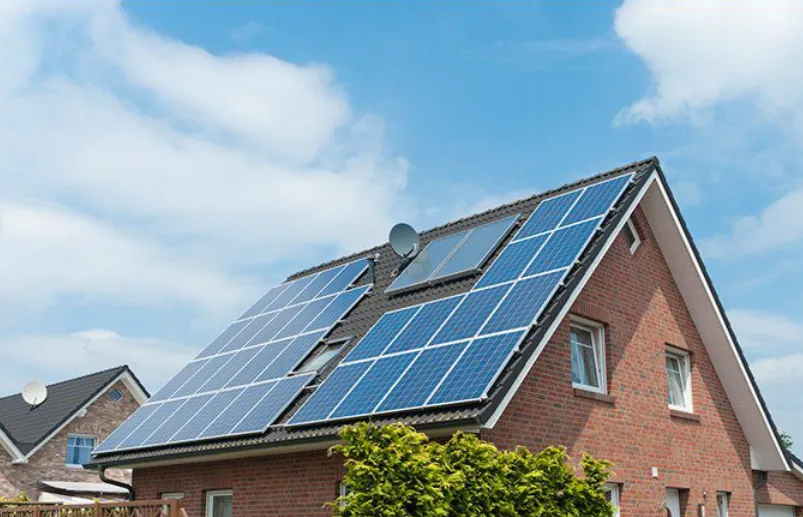
Solar projects succeed or fail long before panels are installed, often at the stage where energy usage is measured and interpreted. A home or business can have the same square footage as a neighbor and still use a very different amount of electricity due to occupancy, appliance loads, HVAC behavior, insulation quality, and lifestyle patterns. If a solar design is based on rough estimates, the system may be undersized, leaving the owner disappointed when bills remain high, or oversized, producing a payback timeline that no longer matches expectations. Accurate energy usage analysis turns solar from a generic equipment purchase into a tailored plan that aligns production with real demand. It clarifies how much energy is used, when it is used, and why, which is essential for choosing system size, estimating savings, and deciding whether batteries or load-shifting strategies make sense. Without solid analysis, even a well-installed system can feel like the wrong fit.
Numbers That Make Solar Work
- Why Annual Totals Are Not Enough
Many solar proposals start with a simple number: annual kilowatt-hours used. While that number is important, it can hide the most meaningful details. Two households can both use 12,000 kWh per year, but one might have heavy summer air-conditioning spikes while the other has steady year-round usage driven by electric heating, a pool pump, or home office equipment. Solar production is seasonal and time-dependent, so matching a flat annual total to a system size can create surprises, especially when net metering rules or time-of-use rates change the value of electricity at different hours. Accurate analysis looks at monthly breakdowns and, when available, interval data that shows hourly demand. That helps reveal whether the home consumes more power in the evening, when solar output is low, or during midday, when production is high. This detail influences not only panel count, but also inverter selection and the potential value of storage. A top solar company in Los Angeles often emphasizes this timing because rate structures and consumption peaks can change the financial picture even when the annual total looks straightforward. When time patterns are understood, the project is designed for reality, not averages.
- Load Profiling: Understanding What Drives Consumption
Energy usage analysis becomes stronger when it explains the drivers behind the numbers. HVAC systems are often the largest load, but the way they operate matters: oversized units short-cycle, poorly sealed ducts waste conditioned air, and high humidity can cause longer runtimes even at the same thermostat setting. Appliances such as electric dryers, ovens, induction cooktops, and water heaters can create short spikes that add up over time. New loads also change everything. EV charging is a common example, where a household’s annual usage can jump dramatically in a single year. Accurate analysis accounts for these changes by reviewing recent bills, asking about lifestyle adjustments, and estimating future consumption shifts. It also considers behavioral patterns, like whether people are home during the day or away at work, because that affects how much solar energy is used directly versus exported to the grid. When contractors understand load drivers, they can recommend upgrades that reduce energy use before sizing solar, such as improving attic insulation or adjusting HVAC settings. That can lead to a smaller system that still meets goals, improving affordability and long-term satisfaction.
- Avoiding Oversizing and Undersizing Through Better Data
Sizing errors are often due to incomplete data. Undersizing happens when proposals rely on a few months of bills or ignore seasonal peaks, leaving the system unable to cover high-demand periods. Oversizing occurs when a system is designed based on theoretical maximum usage or inflated assumptions, resulting in higher upfront costs and potentially lower financial value if export credits are limited. Accurate analysis reduces both risks by using a full year of bills when possible, verifying meter-read dates, and checking whether unusual events skewed consumption, such as a temporary construction project, long-term guests, or equipment malfunction. It also considers whether the household plans to electrify additional loads, such as switching from gas heating to a heat pump, which changes future demand. The goal is not to chase a perfect number but to create a range that reflects real usage with practical buffers. A properly sized system supports predictable savings and avoids the frustration of “solar didn’t work for me” when the real issue was a design built on weak assumptions.
- Rate Plans, Net Metering, and the Value of Each Kilowatt-Hour
Energy usage analysis is not only about how much electricity is used; it is about what that electricity costs at different times. Many utilities use time-of-use rates, where power is more expensive during peak evening hours and cheaper midday. Solar generates most power during midday, so the value depends on whether the household consumes it immediately or sends it to the grid. Net metering rules, export credits, and billing structures can significantly change the math. Accurate analysis maps usage patterns to the rate plan, highlighting how much consumption happens during peak hours and how solar production aligns with it. This is also where batteries can become a strategic decision rather than a trendy add-on. If the household’s high-use period occurs after sunset, storage may increase on-site solar energy use and reduce costly grid purchases. If daytime usage is already high and export credits are strong, a battery may be less critical. By connecting usage timing to billing rules, analysis helps owners understand savings with clarity, reducing surprises once the system goes live.
- Battery Sizing and Load Shifting Decisions
Batteries are often discussed as a way to add resilience and reduce reliance on the grid, but their financial value depends on accurate usage analysis. A battery that is too small may cover only a portion of evening loads, delivering limited benefit during peak pricing periods or outages. A battery that is too large may add cost without being fully utilized, especially if the household’s usage pattern does not require that much stored energy. Contractors analyze load profiles to estimate how many kilowatt-hours are needed to cover essential circuits, how much nighttime consumption can be shifted, and how quickly the battery will recharge during the day. They also consider peak demand events, such as a heat wave evening when HVAC runs hard after sunset. Load shifting can sometimes deliver similar value with less cost—moving laundry, dishwashing, or EV charging to daylight hours so solar production is consumed directly. Accurate analysis guides these decisions with real numbers, helping homeowners choose between panels-only, panels plus battery, or panels paired with operational changes that make the system more effective.
- Commissioning, Monitoring, and Continuous Accuracy Over Time
Even a well-designed solar system needs monitoring after installation, because real performance depends on both production and consumption behavior. Accurate energy analysis continues through commissioning, where baseline expectations are compared to actual data. Monitoring helps identify issues such as shading changes, inverter underperformance, or unexpected increases in household loads. It also allows homeowners to refine habits, such as shifting certain activities to solar hours or adjusting HVAC schedules to better align with production. Over time, homes change—families grow, work-from-home routines increase daytime usage, and new appliances are added. A strong solar plan anticipates that change by encouraging periodic reviews of consumption data, not just production totals. This protects long-term financial outcomes because the system’s value depends on how well it matches the household’s evolving demand. When monitoring is used actively, solar becomes a managed asset rather than a set-it-and-forget-it purchase. Accurate analysis, paired with ongoing data, keeps expectations grounded and helps owners get consistent value year after year.
Solar Results Depend on Getting the Numbers Right
Accurate energy usage analysis is the foundation of a solar project that feels successful after installation. It reveals not only how much electricity is used, but when it is used and what drives that demand, which directly affects system sizing, savings estimates, and the need for storage. Strong analysis prevents oversizing and undersizing, reduces billing surprises tied to rate plans, and supports smarter decisions about batteries and load shifting. It also sets the stage for monitoring that keeps the system aligned with real-world behavior over time. Solar is a long-term investment, and long-term satisfaction comes from designs built on real data rather than assumptions. When numbers are carefully measured and interpreted, the system becomes predictable, savings feel tangible, and the project aligns with the owner’s goals with fewer compromises.