

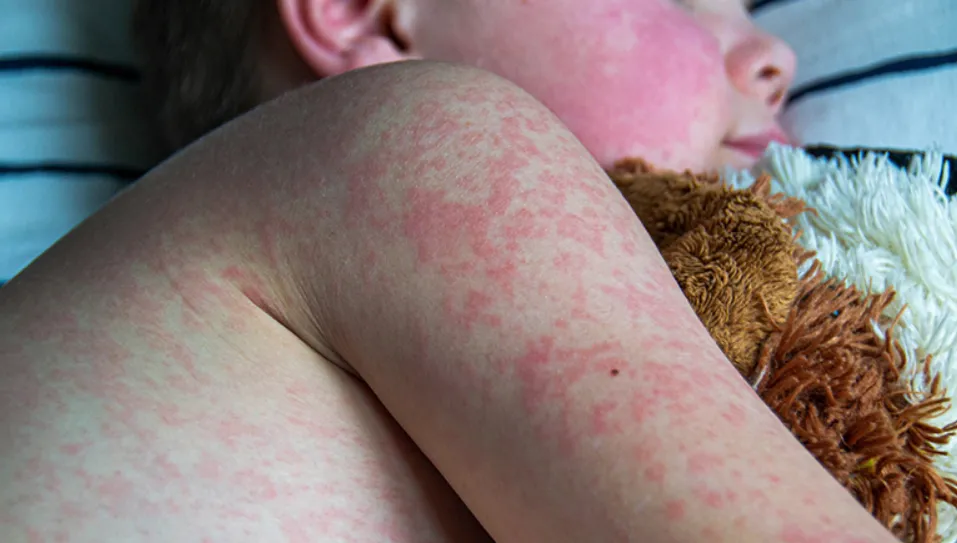
Measles is a highly contagious viral infection that primarily affects the respiratory system. It spreads quickly among people who are unvaccinated or have weakened immunity. The virus can survive in the air or on surfaces for several hours, making it easy to transmit. Understanding how measles spreads is essential for preventing outbreaks and protecting vulnerable populations. Early detection, vaccination, and proper hygiene are key measures to stop the infection.
If severe symptoms develop, seeking immediate medical care at St. Michael’s Elite Hospital can help prevent serious complications and ensure proper treatment.
What Is Measles?
Measles is caused by the measles virus, a member of the paramyxovirus family. It mainly affects the respiratory system and can spread to the bloodstream, causing systemic symptoms. The infection is most common in children but can affect people of all ages, especially those who are unvaccinated. Measles starts with flu-like symptoms such as fever, cough, and runny nose, followed by a characteristic red rash. Infants, pregnant women, and immunocompromised individuals are at higher risk of severe complications. Vaccination with the MMR vaccine is the most effective way to prevent infection.
If you suspect measles symptoms or need medical guidance, do not hesitate to contact us for timely support and professional care.
Measles Symptoms
Symptoms usually appear 7–14 days after exposure and can include:
- High fever and chills: Fever may rise rapidly and last several days.
- Cough, runny nose, and red eyes: Respiratory symptoms are common and highly contagious.
- Rash spreading across the body: Red or reddish-brown spots typically start on the face and spread downward.
- Fatigue and body aches: Weakness and general malaise often accompany the infection.
Recognizing symptoms early is important to prevent the spread of measles and to seek timely medical care.
How is Measles Spread?
Measles is one of the most contagious viruses, and it spreads mainly through respiratory droplets and close contact. Understanding the different ways the virus transmits helps prevent infection.
Airborne Transmission
The measles virus spreads through tiny droplets released when an infected person coughs, sneezes, or talks. These droplets can stay in the air for up to two hours in an enclosed space. Anyone breathing this contaminated air can easily become infected, even without direct contact.
Direct Contact
Touching surfaces contaminated with respiratory droplets can also spread measles. The virus can survive on doorknobs, tables, or toys for several hours. When a person touches these surfaces and then touches their mouth, nose, or eyes, they can contract the virus.
H3: Close Contact With Infected People
Living in the same household or being near an infected individual increases the risk of transmission. Measles can spread rapidly in schools, daycare centers, and crowded environments. People who share food, utensils, or personal items with an infected person are also at risk.
Low Vaccination Coverage
Communities with low immunization rates are particularly vulnerable to outbreaks. Unvaccinated children and adults provide a pathway for the virus to circulate. High vaccination coverage creates herd immunity, reducing the chances of measles spreading widely.
Travel to High-Risk Areas
Travelers to regions where measles is prevalent face higher exposure. Visiting areas with poor sanitation or low vaccination rates increases the likelihood of catching the virus. Taking precautions such as vaccination before travel can significantly reduce risk.
Who Is at High Risk for Measles?
Certain groups are more susceptible to measles and its complications:
- Infants and young children: They have weaker immune systems and are often unvaccinated.
- Unvaccinated individuals: Lack of prior vaccination leaves people vulnerable to infection.
- Immunocompromised people: Conditions like HIV or cancer treatment weaken defenses against measles.
- Pregnant women: Infection during pregnancy can harm both mother and baby.
How to Prevent Measles?
Preventing measles requires awareness and proactive measures:
- Vaccination: The MMR vaccine is highly effective in preventing measles.
- Avoiding contact with infected individuals: Quarantine and isolation help stop transmission.
- Good hygiene: Regular handwashing, sanitizing surfaces, and covering coughs or sneezes reduce spread.
- Travel precautions: Vaccination and avoiding crowded areas in high-risk regions protect travelers.
When to Go to The ER?
Immediate medical care is necessary if measles is suspected, especially in high-risk groups. Seek immediate care if you notice:
- Persistent high fever or difficulty breathing
- Severe dehydration due to diarrhea or vomiting
- Worsening rash or eye infections
- Signs of complications in infants or immunocompromised individuals
Early intervention prevents serious complications such as pneumonia, encephalitis, or hospitalization.
Key Takeaways
Measles spreads easily through airborne droplets, direct contact, and proximity to infected people. Low vaccination coverage and travel to high-risk areas increase the risk. Symptoms include fever, cough, runny nose, red eyes, and rash. Vaccination, hygiene, and early medical care are essential to prevent outbreaks and protect vulnerable populations.