

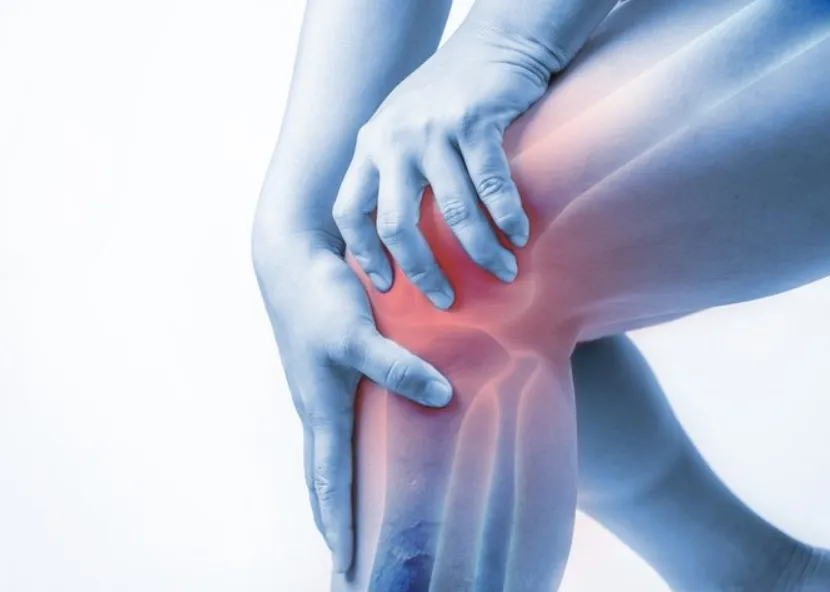
Knee pain isn’t always caused by a fall, twist, or accident. Many people experience discomfort in their knees without any clear injury. This can be surprising and worrying, especially when the pain affects daily activities like walking, climbing stairs, or sitting for long periods.
Knee pain without injury often happens gradually and can result from wear and tear, inflammation, medical conditions, or lifestyle factors. If the pain becomes severe or suddenly worsens, visiting a trusted Emergency Room in Amarillo can help ensure proper evaluation and prompt care. Understanding the potential causes early can help you manage the pain effectively and prevent long-term issues.
Causes of Knee Pain Without Injury
Knee pain without a specific injury can arise from several underlying factors. If your knee discomfort is sudden, severe, or unexplained, visiting a trusted facility like Neighbors Emergency Center can help ensure proper evaluation and timely care.
Here’s a detailed look at the most common causes:
1. Osteoarthritis
Osteoarthritis is the most common form of arthritis and occurs when the cartilage that cushions the knee joint gradually wears away. This leads to pain, stiffness, and swelling. Pain from osteoarthritis usually develops slowly and worsens with activity or at the end of the day.
2. Rheumatoid Arthritis
Rheumatoid arthritis is an autoimmune condition where the body’s immune system attacks the joints, including the knees. It can cause pain, warmth, swelling, and stiffness, often affecting both knees symmetrically. Unlike osteoarthritis, rheumatoid arthritis can appear suddenly without any trauma.
3. Patellar Tendinitis
Also called “jumper’s knee,” patellar tendinitis is inflammation of the tendon connecting the kneecap to the shinbone. Overuse, repetitive movements, or prolonged standing can cause pain in the front of the knee, even without a direct injury.
4. Bursitis
Bursae are small fluid-filled sacs that cushion the knee joint. When these sacs become inflamed, a condition called bursitis develops. It causes swelling, tenderness, and a dull aching pain, often without any specific trauma.
5. Meniscus Degeneration
The meniscus is a cartilage that stabilizes the knee. Over time, it can wear down naturally with age, leading to pain, stiffness, or a feeling of the knee giving out. This type of pain can appear gradually and doesn’t require an injury to occur.
6. Gout or Pseudogout
Gout occurs when uric acid crystals accumulate in the joint, causing sudden, intense pain, redness, and swelling. Pseudogout is a similar condition caused by calcium crystals. Both can affect the knee without any trauma.
7. Overuse or Muscle Imbalances
Activities that involve repetitive bending, kneeling, or squatting can strain the knee. Weak muscles around the knee or hips can also lead to imbalanced movements, placing extra stress on the joint and causing pain.
8. Obesity and Excess Weight
Carrying excess body weight increases stress on the knees. Even without an injury, the joints can develop pain or inflammation over time due to the constant load, especially during walking or climbing stairs.
9. Infections or Inflammatory Conditions
Although rare, infections in the knee joint or autoimmune conditions like lupus can cause pain, swelling, and stiffness without a clear injury. Early medical attention is important in these cases to prevent complications.
Symptoms to Watch For
Even if you haven’t injured your knee, pay attention to these warning signs:
- Persistent aching or sharp pain in or around the knee
- Swelling, warmth, or redness
- Stiffness or difficulty bending the knee
- A popping, grinding, or locking sensation
- Pain that worsens with activity or at the end of the day
Treatment Options
Medical Treatments
- Pain relievers or anti-inflammatory medications: Over-the-counter options like ibuprofen can help reduce pain and swelling.
- Prescription medications: For autoimmune conditions or severe arthritis, doctors may prescribe stronger medications.
- Physical therapy: Strengthening muscles around the knee improves stability and reduces pain.
Home and Lifestyle Measures
- Rest and activity modification: Avoid repetitive stress activities that aggravate the knee.
- Ice and heat therapy: Ice can reduce inflammation, while heat can ease stiffness.
- Weight management: Maintaining a healthy weight decreases stress on the knee joint.
- Supportive footwear or braces: Proper shoes or knee supports can help reduce strain during walking or exercise.
When to See a Doctor
If you’re unsure about the severity of your knee pain, contact us for guidance and professional evaluation. Early assessment can prevent complications and help maintain mobility. Seek medical care if you experience:
- Severe or persistent knee pain
- Swelling, redness, or warmth around the joint
- Difficulty bending or straightening the knee
- Locking, popping, or instability in the knee
- Recurrent pain without a clear cause
Key Takeaways
Knee pain without injury can result from arthritis, overuse, inflammation, crystal deposits, or even lifestyle factors like weight and muscle imbalances. While some pain may be mild and manageable at home, persistent or worsening pain should be evaluated by a healthcare professional. Recognizing symptoms early, taking preventive measures, and seeking treatment when needed can help maintain knee health and mobility for the long term.