

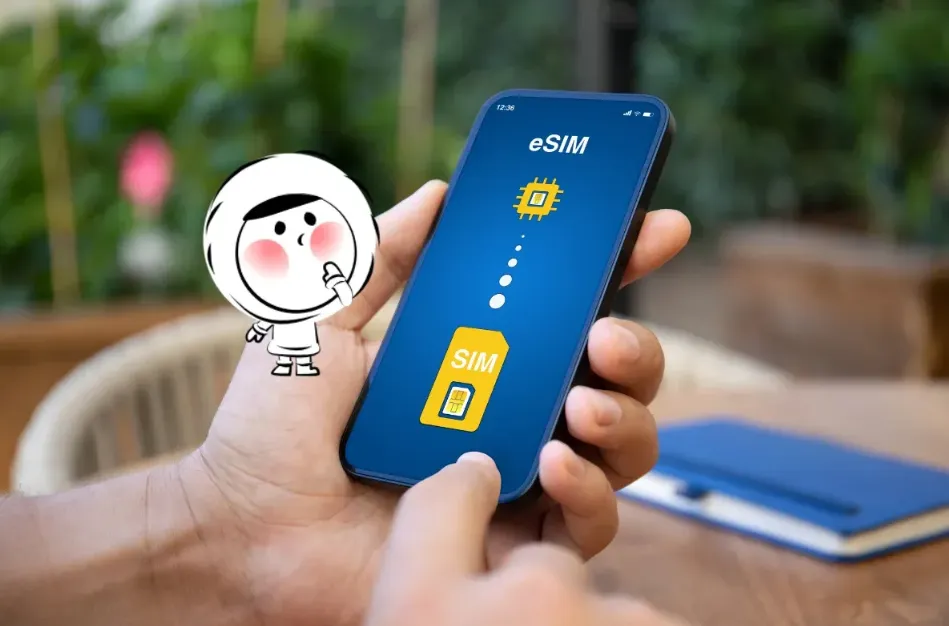
Travel across borders now depends on fast mobile data and a simple setup. Many travelers face confusion when they search for data options before departure. Phone stores promote physical SIM cards, yet digital options offer more control and speed. Clear guidance helps first-time users avoid stress before a trip. This article explains what every new user must know before activating mobile data abroad.
What eSIM Means for Travelers
An international eSIM gives direct digital access to mobile data without a physical card. The plan connects through a QR code or app-based setup on a supported device. Travelers gain data access soon after activation without a store visit.
Many modern phones support this feature through built-in chip technology. eSIM plans suit global trips where steady access to maps, ride apps, and bookings matters. Digital access also reduces the need to swap small plastic cards at airports. The built-in profile remains stored inside the device, which keeps the process simple and secure.
Check Device Compatibility Before Purchase
Device support stands as the first step before any plan purchase. Many recent smartphones include built-in eSIM capability in system settings. Users must open phone settings and confirm eSIM support under cellular options.
Carrier lock status also matters because locked devices block third-party data plans. A quick compatibility check prevents setup delays before departure. Travelers should also confirm the device software version to ensure smooth activation. Updated system software helps avoid activation errors and improves network stability.
How Activation Works Step by Step
Clear activation steps help new users avoid setup confusion. Most providers send a QR code or app-based instructions after plan purchase. Users then complete activation through phone settings before arrival or after landing. Preparation before travel helps reduce pressure at the airport. Careful attention during setup ensures the plan works as expected in a new country.
Key activation steps include:
- Open cellular settings and select add mobile plan.
- Scan the QR code provided by the data provider.
- Confirm plan label and enable data usage for the new profile.
- Turn on data roaming within the new plan settings.
- Restart the device if the network does not appear immediately.
Each step requires careful review to prevent minor errors that delay the connection.
How to Select the Right Data Plan
Plan choice depends on travel length and data needs. Short trips require smaller data bundles, while long stays demand higher limits. Coverage maps show supported countries and network partners before purchase. Users must also review validity periods to avoid early expiration. Balanced data selection prevents sudden data loss during important tasks.
Before checkout, review these points:
- Check total data allowance and validity days.
- Confirm country or regional coverage details.
- Review pricing structure and any extra charges.
- Ensure customer support access through chat or email.
- Compare short-term and extended options for better value.
Clear plan details prevent billing surprises and support smooth connectivity.
Coverage and Network Clarity Across Regions
Coverage clarity helps avoid confusion after arrival in a new country. Reliable providers list supported networks and signal quality details on their website. Strong network partnerships support stable browsing, calls through apps, and location services.
International eSIM options usually connect to major local carriers for consistent service. Users should review regional coverage charts before payment to confirm signal reach. Wide regional access ensures stable data service in cities, transit hubs, and tourist areas. Clear coverage information builds confidence before departure.
Account Setup and Cost Awareness
Account setup takes only a few minutes through a secure online dashboard. Users create login details, add payment information, and store plan data in one place. A clear dashboard helps track remaining data and expiration dates. Cost awareness remains important because different regions carry different pricing levels. Careful review of plan size and duration ensures steady access without sudden data limits. Secure payment methods protect personal information during checkout. Transparent pricing helps users stay within budget while abroad.
Common Tips for First-Time Users
First-time users benefit from simple preparation before travel. Install the digital profile while connected to a strong WiFi network at home. Label the plan clearly inside phone settings to avoid confusion with the primary number. Keep the confirmation email or QR code saved for backup access. Disable unused background apps to preserve data during the trip. These small steps help maintain smooth data performance during travel.
Reliable global data access through international eSIM begins with careful preparation and clear steps. Device checks, correct activation, and smart plan review create a smooth start. A secure account dashboard keeps data use under control throughout the trip. First-time users should confirm compatibility and coverage before purchase to avoid last-minute stress. Careful setup today ensures stable mobile access across borders on the next journey.