

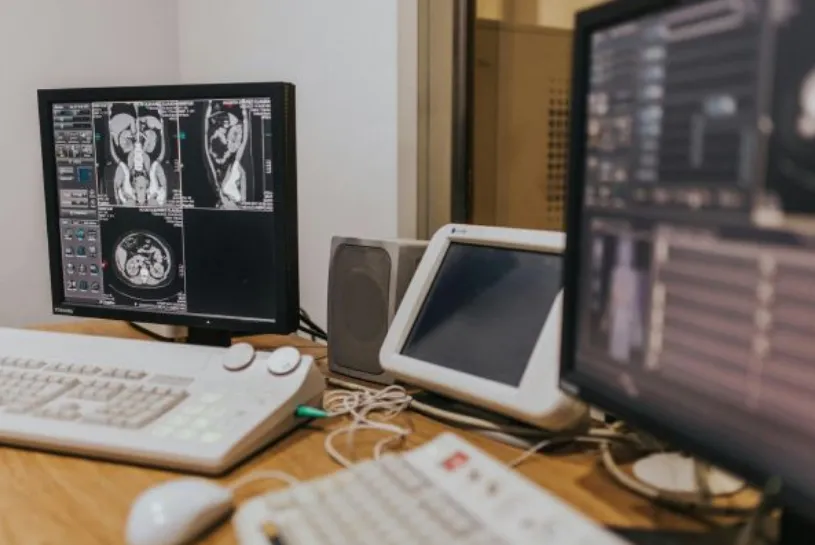
Healthcare was never simple, though, to say the least, balancing the needs of ill consumers, the requirements to run an efficient administrative system, the safety and regulatory glitches, and the bottom line. Hospitals can no longer be allowed to have inefficiencies in an era where they are facing increased patient requirements and regulatory requirements. To bridge these gaps, technology has come to the rescue, and hospital management software has been the most vital component required by hospitals worldwide.
The functions of Modern Hospital Management Software are much more advanced and have come beyond the simple class of scheduling and billing, and have become full-fledged platforms covering almost all aspects of running and managing operations of a hospital. It enables administrators, doctors, nurses, and other support staff to deliver patient care in a coordinated manner, thus making resources available.
Understanding the Challenges Hospitals Face
Hospitals are a high-stakes place where every decision, process, and minute may directly influence patient outcomes. There are several challenges presented without streamlined systems:
- Inefficient administrative workflows result in delays in admission, discharge, and updating patient records.
- Data fragmentation, whereby patient data is split across multiple systems, makes it hard to retrieve the full medical history.
- Regulatory compliance pressure of constantly changing legislation, such as HIPAA, GDPR, or health ministry standards.
- Resource mismanagement leads to a lack of equipment, overworking the staff, or vice versa.
- Patient dissatisfaction arises when they have to wait to see a physician, billing issues, or have other communication problems.
The problems are particularly solved with the help of modern software solutions.
Challenge 1: Fragmented Patient Data
The greatest challenge in the operation of a hospital is the control of patient information across multiple departments, such as radiology, pharmacy, and operating room. Manual paper-based systems or stand-alone electronic products can result in missing or duplicate records.
How the Software Solves It:
The hospital management software of today focuses and centralizes all patients’ data, such as hospital records, into a single electronic health record (EHR). This will see to it that:
- No one has to wait to see the latest information, as it is available to clinicians immediately.
- The results of tests, prescriptions, and treatment remarks are stored in one location.
- It eradicates duplication of data entry, thereby minimizing errors and time waste.
Challenge 2: Inefficient Appointment Scheduling
Manual scheduling usually triggers both double bookings, no-shows, and long wait times, which are annoying to both health providers and patients.
How the Software Solves It:
- Computing appointment systems permit the patient to book, reschedule, or cancel online.
- Real-time updates maximize the schedules of doctors.
- SMS and email reminders lower the rates of no-shows.
- Existing spots that are completed by emergency services may be planned easily and without interfering with scheduled appointments.
Challenge 3: Compliance and Regulatory Pressure
Hospitals must adhere to strict regulations that cover the privacy of the patients as well as their billing practices and the keeping of their medical records. Non-compliance may lead to huge fines and significant damage to credibility.
How the Software Solves It:
- Other in-built compliance tools can keep storage, sharing, and access of data in line with HIPAA, GDPR, and other local regulations.
- Automated audit trails record the person who has gained access to which records and at what time.
- Secure protocols are used to encrypt sensitive data against cyberattacks.
Challenge 4: Financial Management and Billing Errors
One of the most challenging and mistake-prone activities in hospital operations is billing, particularly during manual billing. Errors in such a situation are not only a matter of revenue loss but can also create mistrust in patients.
How the Software Solves It:
- The records of treatment are automatically linked through the integrated billing systems to invoices.
- Insurance checking services validate the insurance before consultation.
- The transparent billing enhances patient satisfaction and lowers controversy.
- Financial analytics enable administrators to track revenue leaks and optimize pricing.
Challenge 5: Resource Allocation
Poor management of staff schedules, medical equipment, and hospital beds would result in operational bottlenecks, especially in times of emergencies.
How the Software Solves It:
- Bed space tracking, operating room usage, and equipment stock tracking that is in real time.
- Automated rescheduling of staff to ideal staff-to-patient ratios.
- Predictive analytics to have readiness of seasonal surges in patient volumes.
Modern Hospital Management Software occupies a central position in linking administrative and clinical processes, enabling operational gains by tracking and deploying resources strategically.
Challenge 6: Poor Communication Between Departments
Many departments are involved in the functioning of hospitals, and each has its own workflows and priorities. There is no unity in communication without which miscoordination is bound to occur.
How the Software Solves It:
- Enhanced internal messaging solutions enable doctors, nurses, lab technicians, and administrators to communicate instantly.
- Lab results, patient transfers, or emergencies may also be alerted in real time.
- Shared dashboards allow all departments to see how the hospital works.
Challenge 7: Limited Data Insights
The growing trend in healthcare is to make it more or less data-driven, yet transforming raw information into actionable information is quite worthless. A considerable number of hospitals do not manage to utilize data for strategic decision-making.
How the Software Solves It:
- KPIs such as the patient satisfaction rate, readmission rates, and treatment success rates are tracked by analytics modules.
- Predictive tools help plan resources and provide forecasts that predict the demand for patients.
- Data-driven policy making can be done using business intelligence dashboards.
Challenge 8: Patient Engagement and Satisfaction
Hospitals are required to be responsive and technologically equipped, just like other industries, in the minds of patients. A bad reputation may be earned as a result of long queues, unclear bills, and poor follow-up in a hospital.
How the Software Solves It:
- Patient portals provide people with access to their health data, lab results, and prescriptions.
- Patient satisfaction can be tracked in real time by online feedback systems.
- The integration in telemedicine avenues includes offering consultations without in-person visits when necessary.
Final Thoughts
Modern Hospital Management Software is no longer a luxury, but it is considered an essential implementation aiming to provide high-quality, efficient, and compliant care in hospitals. The presence of data silos, automation of financial processes, and many more persistent challenges in healthcare administration are addressed with the help of these platforms.
The result? An efficiently operated hospital functioning mechanism that is coordinated across the board, where patients are attended to in time and with personalized attention, staff do not experience burnout, and administration is governed by facts based on real-time data.