

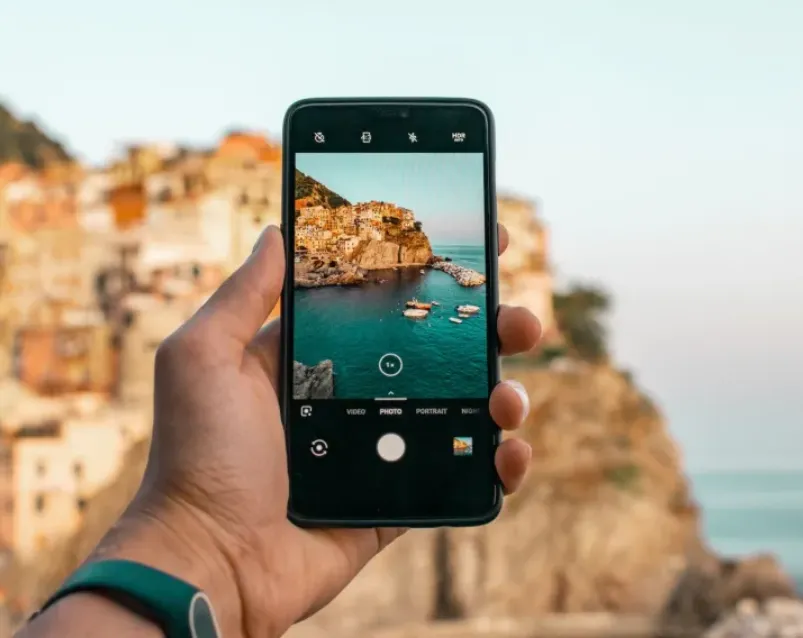
Photography and digital imagery are more than just visual content—they’re powerful storytelling tools. Every image carries emotion, mood, and atmosphere that can influence how a viewer interprets the story being told. One of the simplest yet most impactful ways to shape that narrative is through the use of filters.
Whether you’re a brand curating a marketing campaign or a creator building an aesthetic online presence, Photo Filters can help you add depth, emotion, and personality to your visuals. A well-chosen filter can transform a simple image into a scene that evokes nostalgia, excitement, or even mystery.
Let’s explore how filters can be used strategically to tell stories through your visuals.
Why Filters Matter in Visual Storytelling
Filters aren’t just a quick way to enhance a photo—they set the tone and guide your audience’s emotional response.
- Warm filters can convey comfort, happiness, or intimacy.
- Cool filters create calmness, professionalism, or distance.
- Vintage-style filters evoke nostalgia and timelessness.
By intentionally applying filters, you can ensure that your images communicate the right story for your audience.
Matching Filters to Your Brand Narrative
Every brand has a personality, and filters help express it visually.
- Playful brands may use bright, colorful filters to create energy.
- Luxury brands often lean toward muted, minimal filters to signal sophistication.
- Adventure brands might apply high-contrast, earthy tones to highlight exploration and excitement.
The key is consistency—using filters that align with your brand’s voice across all platforms.
Creating Mood Through Color
Color is one of the most important elements in visual storytelling, and filters are a direct way to adjust it.
- Warm tones (yellows, oranges) create a sense of coziness.
- Cool tones (blues, greens) add calm and stability.
- Black-and-white filters can bring drama and timelessness to a scene.
These color shifts subtly influence how the audience perceives the story behind the image.
Filters in Sequential Storytelling
If you’re telling a story through a series of images, filters can create cohesion.
- Use the same filter across all images for a unified narrative.
- Slightly adjust tones between scenes to signal changes in mood or time.
- Keep saturation and contrast consistent so the series feels intentional.
This technique is especially effective for social media campaigns, lookbooks, and brand storytelling.
Balancing Filters with Authenticity
While filters can enhance storytelling, overuse can make images feel artificial.
- Choose filters that complement, not overpower, the original image.
- Avoid extremes unless the intention is stylistic (e.g., bold campaigns or artistic projects).
- Subtle adjustments often create a stronger emotional connection than heavy edits.
Filters in Different Contexts
Filters can be tailored for specific purposes:
- Marketing campaigns – Consistent filters create a branded visual style.
- Personal storytelling – Filters set the emotional tone for travel, lifestyle, or personal milestones.
- Event coverage – Using thematic filters helps create a unified narrative across event highlights.
Final Thoughts: Telling Better Stories with Filters
Filters are more than editing shortcuts—they’re storytelling tools that shape the mood and perception of your images. By choosing the right Photo Filters, you can create a visual narrative that resonates with your audience and strengthens your brand identity.
Whether you’re capturing a single moment or curating an entire campaign, filters can help transform your visuals into a cohesive, emotionally engaging story that your audience will remember.