

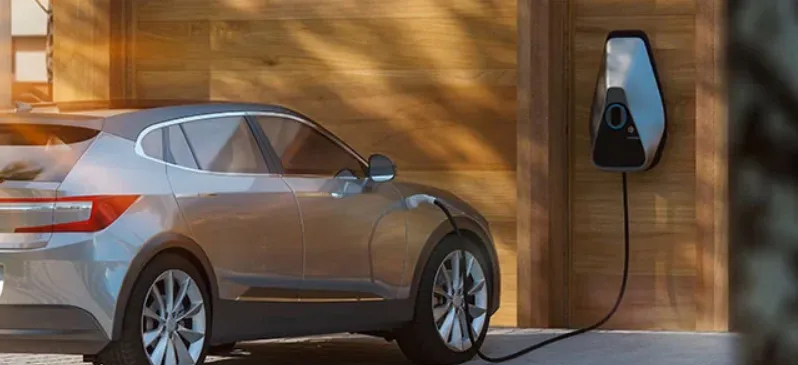
Owning an electric vehicle (EV) offers a convenient and efficient way to reduce emissions while enjoying lower long-term running costs. However, the convenience of EV ownership heavily depends on the reliability and longevity of your home charging system. Like any electrical installation, home EV chargers experience wear and tear over time, influenced by factors such as usage frequency, environmental conditions, and evolving technology. Ensuring your charger performs safely and efficiently means understanding its lifespan and knowing when to replace or upgrade it. We will explore the key signs, lifespan expectations, and factors to consider when deciding whether your home charging system needs attention.
Understanding When to Replace or Upgrade Your EV Charger
- Average Lifespan of Home Charging Systems
Most home charging systems for electric vehicles are designed to last between 7 to 10 years, depending on usage and maintenance. High-quality chargers from reliable manufacturers are designed to withstand frequent use; however, over time, components such as connectors, cables, and internal circuits may degrade. Factors such as humidity, temperature fluctuations, and power surges can reduce their lifespan.
For instance, a charger installed outdoors may deteriorate faster than one kept in a sheltered garage. Regular maintenance checks, such as inspecting the cable for cracks and ensuring proper ventilation, can help extend the charger’s life. In regions where weather conditions fluctuate, like those seen in Vancouver EV charger installation projects, outdoor exposure can significantly impact durability and performance. However, even with proper care, technology and charging standards continue to evolve, meaning older models may become less efficient or incompatible with newer EV models. Therefore, understanding the expected lifespan helps homeowners plan for timely upgrades and avoid unexpected charging interruptions.
- Signs Your Charger May Be Nearing Its End
Recognizing early warning signs of charger decline can prevent costly repairs or safety risks. A noticeable slowdown in charging speed often signals internal wear or electrical inefficiency. Additionally, if your EV frequently disconnects during charging or if the charger overheats, it may indicate a failing circuit board or damaged wiring. Visible damage to the cable or plug, such as fraying, discoloration, or exposed wires, also requires immediate attention. Another clear indicator is unusual noise—buzzing or crackling sounds can mean loose electrical connections. Frequent tripping of circuit breakers or inconsistent charging sessions suggest that your charger is struggling to deliver a steady power supply. Ignoring these signs may not only lead to reduced performance but also pose fire or shock hazards. Therefore, staying alert to these symptoms ensures that you maintain both efficiency and safety in your home charging setup.
- Technological Advancements and Compatibility Issues
EV charging technology is evolving rapidly, with new features like faster charging speeds, smart connectivity, and energy optimization tools. If your current charger is over five years old, it may lack compatibility with the latest electric car models or miss out on new features that enhance convenience. Modern chargers often come with Wi-Fi connectivity, allowing users to monitor charging progress through mobile apps, schedule charging times during off-peak hours, or integrate with solar systems for renewable energy use.
Older units may also be incompatible with newer charging standards or vehicles requiring higher amperage. Additionally, some aging chargers lack essential safety features such as ground fault protection or dynamic load balancing. Upgrading ensures you stay current with these improvements and can future-proof your home setup as EV technology continues to advance. Keeping your charger updated guarantees reliability and supports more sustainable energy practices over time.
- Energy Efficiency and Cost Considerations
Energy efficiency is a major factor in determining whether an upgrade is worthwhile. Older chargers tend to consume more power or experience higher energy losses during operation, leading to increased electricity costs. Modern chargers, on the other hand, are engineered for optimal energy conversion and reduced standby consumption. Over time, even small inefficiencies can add up, especially if you charge your vehicle daily. Additionally, utility companies are introducing dynamic pricing models, which charge different rates based on energy demand.
Many new chargers can be programmed to automatically charge during low-cost hours, saving you money in the long run. Financial incentives, such as rebates or tax credits for installing newer models, further offset the cost of replacement. Therefore, upgrading isn’t merely about convenience—it can also be a financially smart decision that supports both sustainability and cost efficiency.
- Maintenance and Safety Considerations
Routine maintenance is essential for extending your charger’s life and ensuring safe operation. This includes inspecting cables for damage, cleaning connectors, checking ventilation, and ensuring that protective covers are in place and intact. Dust, dirt, or moisture can infiltrate components, leading to corrosion or electrical faults. Even minor issues, if left unaddressed, can escalate into serious hazards such as short circuits or overheating.
While many homeowners overlook charger maintenance, scheduling a periodic inspection by a licensed electrician can reveal hidden faults and prevent potential accidents. It’s also essential to ensure that your electrical panel can support the power demands of modern EV chargers, especially if your home’s wiring is outdated. When in doubt, consult a qualified technician to assess whether your current setup meets modern safety standards. Regular maintenance combined with timely upgrades ensures consistent performance and long-term reliability.
The lifespan of a home charging system depends on several factors, including the build quality, environmental conditions, and technological advancements. While most chargers last around a decade, staying attentive to signs of wear, reduced efficiency, or outdated compatibility ensures timely replacement or upgrades. As electric vehicle technology continues to advance, keeping your charging system up to date ensures that your investment remains efficient, safe, and future-ready. Regular inspections and embracing new innovations help homeowners maximize the value and convenience of their EV charging experience for years to come.