

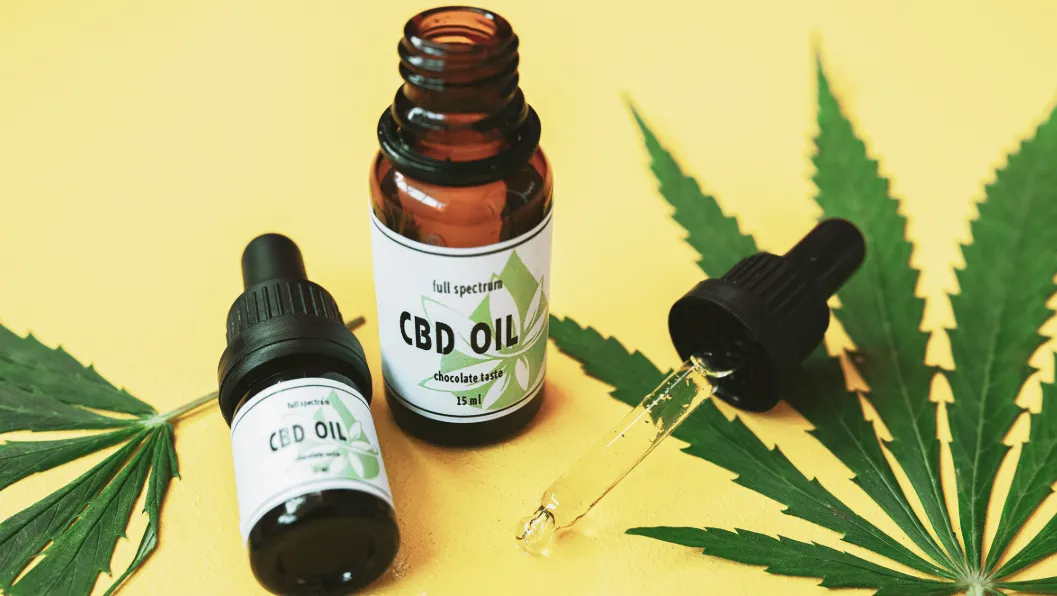
The CBD market has evolved from a niche wellness category into a structured, competitive industry with growing consumer expectations. As demand stabilizes and regulations continue to mature, more retailers, e-commerce brands, and entrepreneurs are turning to CBD oil wholesale purchasing to improve margins and strengthen supply chain consistency.
But sourcing CBD oil in bulk isn’t just about getting a lower price per unit. Wholesale buying requires attention to compliance, transparency, formulation quality, and long-term supplier reliability.
Whether you’re launching a private label brand or scaling an existing retail operation, here’s what you need to know about wholesale CBD oil.
What Does CBD Oil Wholesale Mean?
CBD oil wholesale refers to purchasing CBD oil products — or the base ingredients used to produce them — in bulk quantities directly from manufacturers, extractors, or distributors.
Wholesale options typically include:
- Finished bottled tinctures ready for resale
- Private label CBD oil
- White label formulations
- Bulk full spectrum, broad spectrum, or isolate-based oil
- CBD distillate for in-house manufacturing
Buying wholesale allows retailers to secure larger volumes at reduced per-unit costs compared to standard retail pricing.
Why Businesses Choose Wholesale CBD Oil
1. Improved Profit Margins
One of the most significant advantages of wholesale purchasing is cost efficiency. Bulk pricing allows retailers to:
- Increase markup potential
- Offer competitive retail pricing
- Run promotions without sacrificing margins
- Maintain stable inventory costs
For growing brands, wholesale buying is often essential to achieving sustainable profitability.
2. Supply Chain Stability
The hemp industry is influenced by agricultural harvest cycles, market demand, and regulatory updates. Securing wholesale agreements helps protect businesses from:
- Inventory shortages
- Sudden price fluctuations
- Inconsistent product availability
Reliable wholesale partnerships create operational predictability — a critical factor for subscription-based brands and repeat customers.
3. Brand Customization Through Private Labeling
Wholesale CBD oil is frequently used for private label programs, where retailers sell products under their own brand name.
Private label advantages include:
- Custom packaging and branding
- Controlled pricing strategies
- Brand differentiation
- Customer loyalty development
This model has become increasingly popular among entrepreneurs entering the CBD space.
Types of CBD Oil Available Wholesale
Understanding extract types is essential before purchasing in volume.
Full Spectrum CBD Oil
Contains multiple cannabinoids and trace THC within legal limits. Popular among brands seeking comprehensive cannabinoid profiles.
Broad Spectrum CBD Oil
Includes multiple cannabinoids but typically removes detectable THC.
CBD Isolate Oil
Contains only purified cannabidiol, with no other cannabinoids present.
Each format serves different market segments and regulatory preferences.
Key Factors to Evaluate When Choosing a Wholesale Supplier
Not all wholesale providers offer the same quality standards. Before committing to bulk purchases, businesses should evaluate the following:
Third-Party Lab Testing
Always request Certificates of Analysis (COAs) from independent laboratories. Reports should confirm:
- CBD potency
- THC compliance
- Absence of heavy metals
- Pesticide screening
- Residual solvent testing
- Microbial safety
Transparent testing protects both the retailer and the end consumer.
Regulatory Compliance
Wholesale CBD oil must comply with federal and state regulations. Suppliers should provide:
- Hemp sourcing documentation
- THC threshold verification
- Manufacturing certifications
- Shipping compliance information
Regulatory clarity is particularly important for interstate or international distribution.
Ingredient Transparency
Modern consumers expect clear ingredient lists. Wholesale buyers should confirm:
- Carrier oil used (MCT, hemp seed oil, etc.)
- Flavoring components
- Additives or preservatives
- Allergen disclosures
Transparency supports stronger brand positioning and customer trust.
Manufacturing Standards
Look for suppliers operating under Good Manufacturing Practices (GMP). Professional manufacturing standards indicate:
- Clean facilities
- Quality control procedures
- Batch consistency
- Traceability systems
As the industry matures, professionalism in production is increasingly important.
Storage and Shelf Life Considerations
Wholesale CBD oil should be stored properly to maintain potency and stability.
Best practices include:
- Keeping bottles in cool, dark environments
- Avoiding prolonged heat exposure
- Maintaining airtight seals
- Monitoring expiration dates
Shelf life varies depending on formulation, but most CBD oils remain stable for 12–24 months when stored correctly.
Market Trends in Wholesale CBD Oil
Several developments are shaping the wholesale landscape:
Increased Demand for Transparency
Consumers are more educated and actively seek lab reports.
Minor Cannabinoid Interest
Formulations including CBG or CBN are gaining traction.
Growth in E-Commerce
Online CBD brands rely heavily on stable wholesale partnerships.
Emphasis on Compliance
Regulatory scrutiny has elevated documentation standards.
Businesses that prioritize compliance and clear labeling often gain long-term customer trust.
Pricing Expectations
Wholesale CBD oil pricing varies based on:
- Extract type (full spectrum, broad spectrum, isolate)
- Potency levels
- Bottle size
- Order volume
- Customization requirements
- Packaging complexity
While competitive pricing matters, quality and documentation should never be compromised for lower cost.
Choosing the Right Wholesale Partner
A strong wholesale partnership should provide:
- Consistent inventory availability
- Clear communication
- Transparent pricing structures
- Scalable ordering options
- Reliable shipping timelines
- Updated lab documentation
Long-term supplier relationships often lead to smoother operations than switching vendors frequently for marginal savings.
Final Thoughts
CBD oil wholesale offers retailers and entrepreneurs an opportunity to strengthen margins, build brand identity, and stabilize supply chains. However, successful wholesale purchasing requires careful evaluation of compliance, quality testing, ingredient transparency, and manufacturing standards.
As the CBD industry continues to mature, professionalism and documentation are becoming the norm rather than the exception. Businesses that prioritize responsible sourcing and transparent partnerships will be best positioned for long-term growth.
In today’s competitive hemp marketplace, wholesale CBD oil isn’t just about volume — it’s about trust, consistency, and quality assurance.